

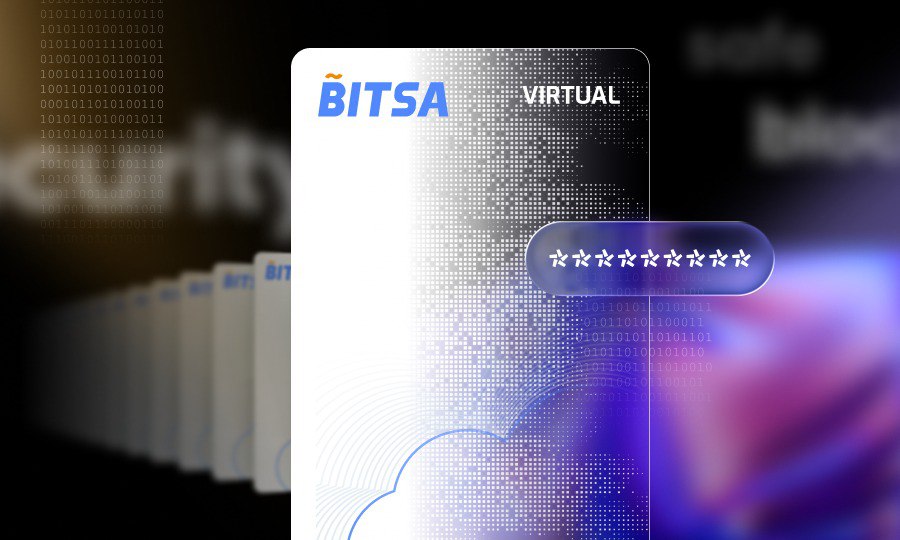
Virtual Cards for Online Shopping: What They Are and How to Use Them with Bitsa
The digitalization of financial services has driven alternatives to conventional plastic, prioritizing security and immediacy. In this context, virtual cards have evolved from a technological curiosity into an essential tool for managing daily expenses and protecting digital identity.
What is a Virtual Card and How Does it Work?
A virtual card is a digital payment instrument that lacks a physical form but possesses the same operational data as a traditional card: a 16-digit number, expiration date, and verification code (CVV). It is managed entirely through an app or digital wallet and is designed for internet purchases, subscriptions, and in-app payments. In the case of Bitsa, these cards operate under a prepaid model; that is, they work via prior top-ups, allowing you to spend exclusively the balance you have decided to load. This eliminates the risk of overdrafts or unforeseen debts.
Key Use Cases for a Virtual Card
Online Shopping and Digital Subscriptions
The predominant use is e-commerce. A virtual card allows for transactions on marketplaces, clothing stores, or service bookings with an additional layer of control. It is especially useful for managing subscriptions (such as streaming services or software); since it is separate from your main account, you can monitor exactly how much is debited each month and avoid unwanted automatic charges if the balance is limited.

Mobile Payments with Apple Pay or Google Pay
Despite not having plastic, the virtual card can be integrated into Apple Pay or Google Pay. This allows for contactless payments in physical establishments using a smartphone or smartwatch. According to the EU’s Payment Services Directive (PSD2), these mobile payment methods add strong authentication factors that make transactions more secure than using a conventional physical card.
Travel, Projects, and Team Expenses
Digital versatility allows for assigning cards to specific uses:
- Travel: Book flights and hotels while keeping the travel budget isolated from the rest of your savings.
- Projects: Assign a specific card for an advertising campaign or a particular event.
- Team Management: Facilitate payment for online tools or shared subscriptions for team members while maintaining independent accounting records.
Advantages of Virtual Cards vs. Physical Cards
Enhanced Security for Your Money
When using a virtual card, your primary bank card details are not exposed online. If suspicious activity is detected in an online store, you can block the card or generate new data in seconds from the Bitsa app. This drastically reduces the impact of potential internet fraud.
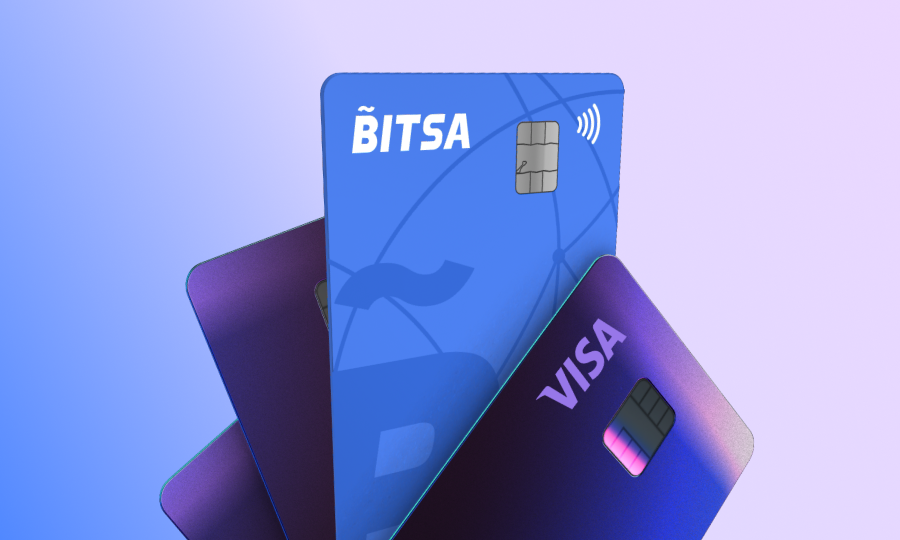
Total Spending Control
The limits and budgets model allows users to be their own financial managers. Daily or monthly caps can be set, ensuring that you never exceed your planned budget. The motto is clear: more control means fewer surprises when reviewing your transaction statement.
Flexibility and Speed
The issuance of a virtual card is instant. There is no waiting for postal delivery or complex bureaucratic processes. Furthermore, as a prepaid product, it offers a financial alternative for individuals who do not wish to or cannot depend on a traditional bank account for their online operations.
How to Obtain and Manage a Bitsa Virtual Card
Creating Your Virtual Card Step-by-Step
The process is agile and entirely digital:
- Download the Bitsa app from official stores.
- Register and complete the identity verification process (KYC).
- Top up your balance using available methods (transfer, other cards, or vouchers).
- Activate the virtual card within the app so it is ready for use.
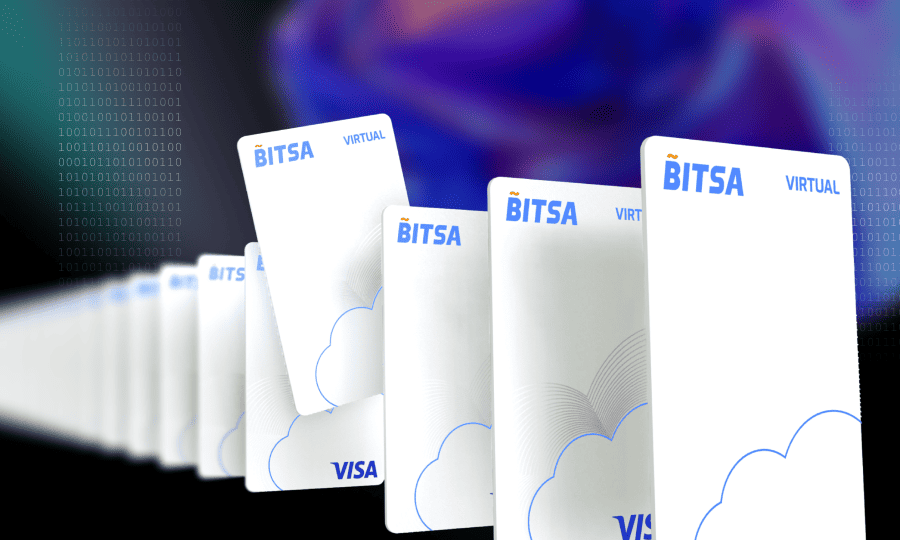
Add It to Your Digital Wallet and Start Paying
Once active, the data can be entered manually or via a shortcut into Apple or Google wallets. This enables the card to be used at any merchant that accepts the payment network (Visa or Mastercard) associated with the Bitsa product.
Adjust Limits, Block, and Top Up from the App
Management happens in real time. From the interface, you can:
- View transactions instantly.
- Modify spending limits.
- Freeze the card temporarily if you lose your phone.
- Buy Bitsa or top up your balance immediately to keep operating.
Costs and Potential Limitations
Fees to Review
While virtual cards usually have lower costs than physical ones, users should consult the current fee schedule on the official website. Common concepts include:
- Possible top-up fees depending on the chosen method.
- Currency exchange fees for purchases in non-Euro currencies.
- Maintenance costs if specified by the product.

What a Virtual Card Cannot Do
It is designed for the digital ecosystem. Generally, it does not allow for cash withdrawals at ATMs (except via contactless at compatible terminals), and some very specific merchants might require a physical card for internal security reasons. For these cases, Bitsa offers the physical card as an ideal complement.
Security and Fraud Protection
How a Virtual Card Protects You
Virtual cards integrate protocols such as 3D Secure, requiring additional confirmation (via SMS or in-app code) to authorize purchases. Since the numbers are easy to replace, you have the power to “cut off” access to your funds radically without affecting other services.
Best Practices to Follow
- Never share the CVV or the full number through insecure channels (email, chat).
- Verify that the merchant’s URL starts with
https://and shows the security padlock. - Enable push notifications to monitor every expense the moment it happens.
- Keep low balances if you are going to operate on new or unknown websites.

FAQ
- Does the Bitsa virtual card work only online or also in physical stores? Both. Online via card details and in physical stores via mobile wallets.
- Can I have several virtual cards at once? Yes, Bitsa allows you to manage multiple cards to organize independent budgets.
- What happens if my virtual card data is stolen? You can block it instantly from the app. Since it is prepaid, the risk is limited only to the balance loaded at that time.
- Do I need a bank account to use Bitsa virtual? It is not strictly necessary to have a traditional bank account, making it a tool for financial inclusion.