

What is cryptocurrency mining: Clear explanation
Cryptocurrency mining is one of those terms we’ve all heard of, but few fully understand. Forget about hundred-page technical manuals and abstract concepts that raise more questions than they answer. If you’ve ever wondered what a ‘miner’ actually does behind the screen, we’ll find out in a couple of minutes.
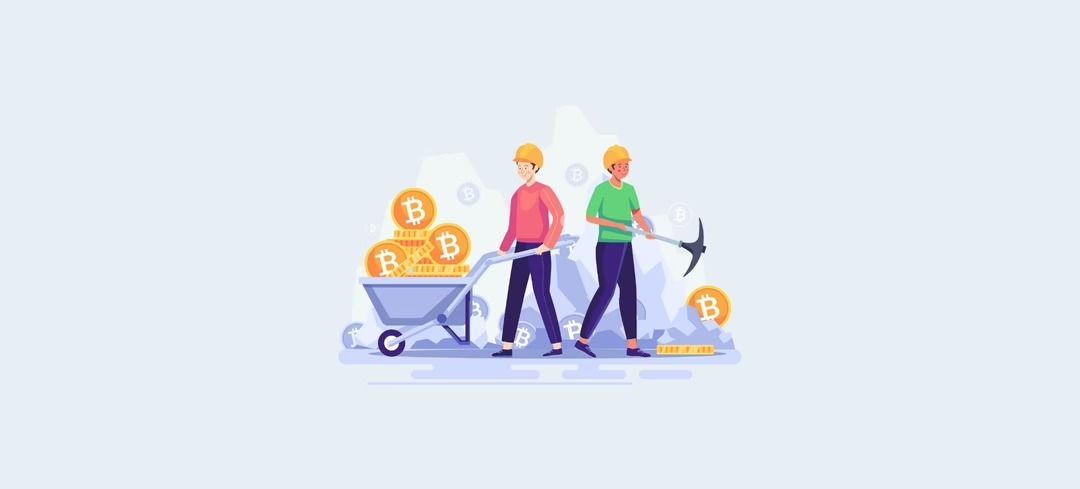
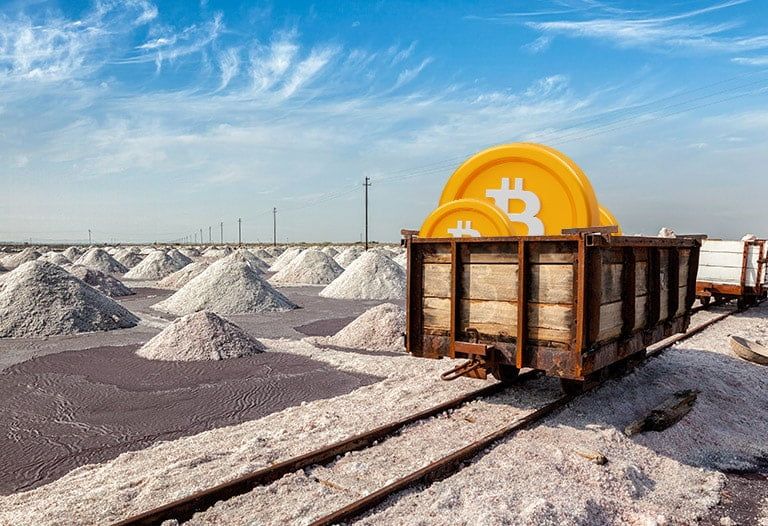
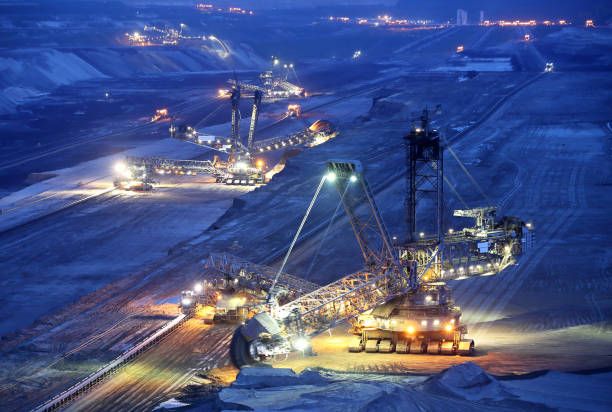
Surely, when you hear the word ‘mining’, you immediately think of helmets with lights, pickaxes and dark tunnels in search of a gold vein, don’t you? Although in this digital world nobody gets their hands dirty with soil, the logic is curiously the same: a great deal of effort is invested to obtain a very valuable reward.
The big difference is that here the effort isn’t physical. You don’t need brute force, but rather a computer – or thousands of them – with immense computing power, working against the clock to solve mathematical puzzles. The first to solve it takes the prize: brand-new cryptocurrencies, fresh off the press.
What is cryptocurrency mining?
Mining is the process of validating transactions and adding them to the blockchain. It acts as the system’s engine: as there is no central bank, miners act as independent auditors who guarantee the legitimacy of every digital money transaction, grouping transactions into blocks to permanently record them in the public ledger.
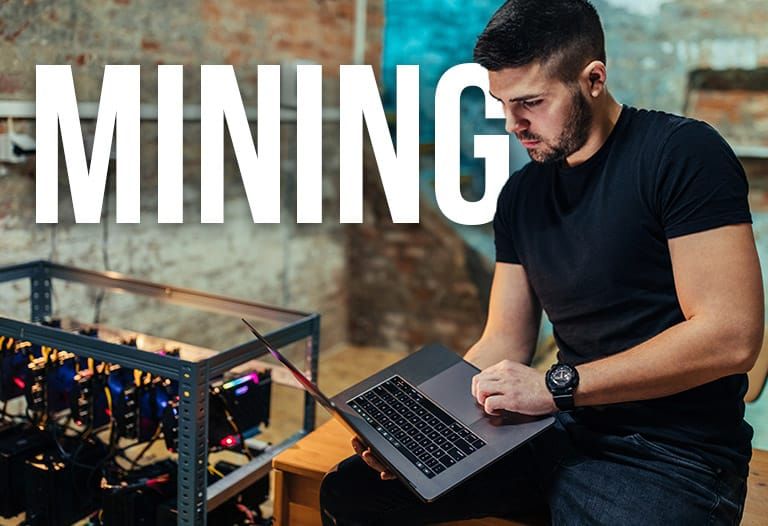
To consolidate this record, miners compete with one another to solve a complex mathematical problem. It is not people who do this, but specialised high-performance computers running cryptographic software. These machines race against the clock in a global technological race, attempting to decipher a numerical puzzle through millions of attempts per second.
The protocol itself operates under a very clear economic incentive: the winner adds the block to the network and receives a reward in cryptocurrency. The first miner to solve the problem obtains the exclusive right to record that group of transactions and, in return for the hardware provided and the energy consumed, the system automatically rewards them with newly issued cryptocurrency and the fees from the validated transactions.
How does mining work, step by step?
To understand how this process works on a day-to-day basis, we can break it down into four key steps that are repeated cyclically across the network:
- Transactions are grouped into blocks.Whenever someone sends or receives cryptocurrencies, the operation is not recorded immediately. First, it remains suspended in a waiting «pool», called the mempool, which functions as a digital waiting room for pending operations, alongside thousands of other transactions. Miners enter the scene by collecting a group of these operations and organizing them into a digital container called a block.
- Miners compete to find the correct hash (Proof of Work). Once the block is assembled, the real technical competition begins. Miners use the power of their computers to solve a cryptographic puzzle. The greater the number of competing miners, the system automatically adjusts the difficulty to maintain a stable emission rate.
- The validated block is added to the blockchain. The first miner who manages to find the mathematical solution immediately transmits the block to the rest of the network. The other nodes verify within seconds that the calculations are correct and that the transactions are legitimate. Once approved by consensus, the block is sealed and permanently and immutably linked to the blockchain.
- The miner receives the reward. This prize includes the newly issued cryptocurrencies from the protocol and the processing fees for all the transactions they managed to validate and include in that block.
What do you need to mine crypto?
To participate in the cryptocurrency mining process, having a conventional computer is not enough. The evolution of algorithms and the increase in network difficulty require very specific technical infrastructure and a rigorous cost analysis. Below are the essential elements to start this activity:
1. Specialized hardware
The processor of a common computer (CPU) became obsolete for most networks due to its low processing speed. Currently, the choice of equipment directly depends on the cryptocurrency you wish to mine:
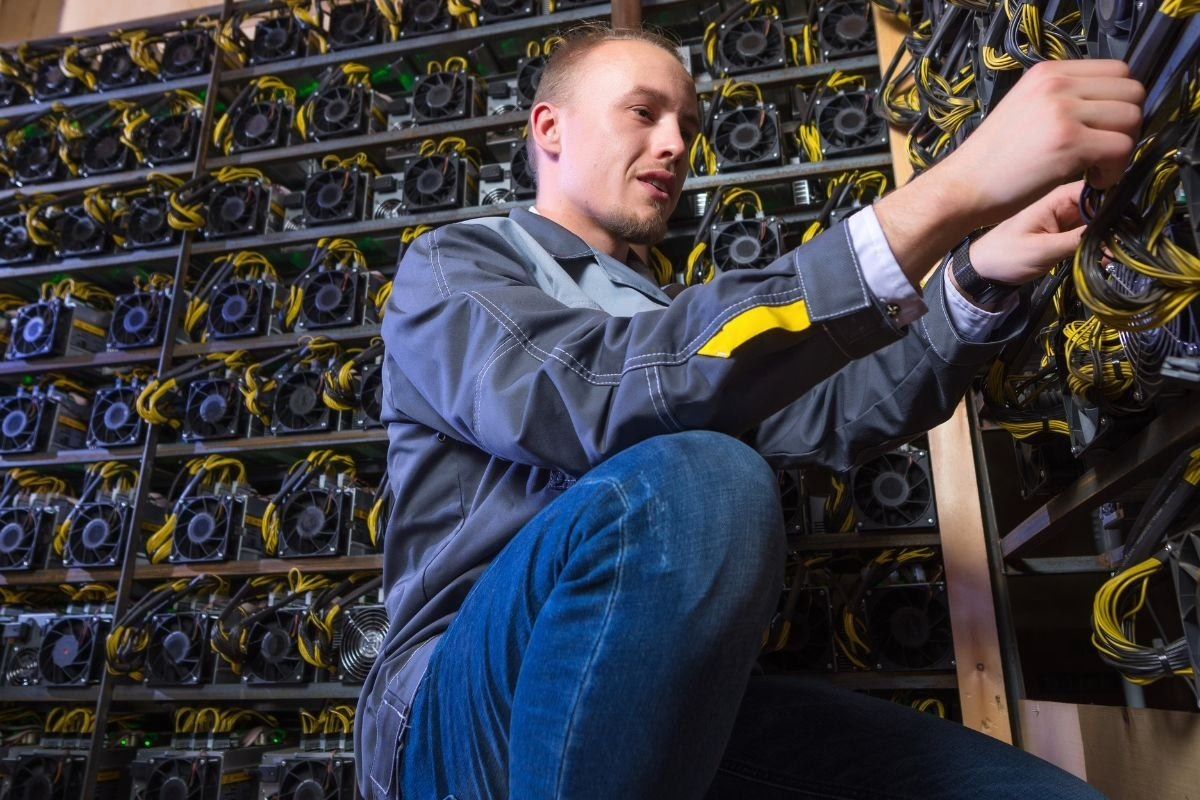
- ASIC equipment:These are integrated circuits designed exclusively for a specific algorithm. Their power is incomparable, but their initial cost is high and they lack versatility for other tasks.
- Graphics Cards (GPU):These are very popular components due to their flexibility. They allow mining various altcoins and retain resale value for markets such as graphic design or video games.
2. Mining software
This is the program responsible for connecting the hardware to the cryptocurrency network. Its main function consists of receiving data on pending transactions, managing the equipment’s power to solve the crypto puzzles, and communicating the approved solutions to the rest of the nodes.
3. Electricity (the main cost)
The financial viability of mining depends almost entirely on the price of electricity. High-power equipment, whether ASICs or GPUs, consumes vast amounts of energy 24 hours a day. Furthermore, it converts much of that energy into heat, which necessitates investment in additional cooling systems to prevent premature wear and tear on components.
4. Joining a mining pool
As networks only award the reward to the first participant to solve the mathematical problem, the probability of success for an individual miner with limited resources is virtually zero. It is therefore essential to join a mining pool. These platforms combine the computing power of thousands of users to solve blocks more frequently and then distribute the profits in proportion to the effort contributed by each member.
Work test vs. participation test: what is the difference?
The world of cryptocurrencies does not rely on a single method for processing transactions. In fact, technological developments have led to the establishment of two main systems that enable a decentralised network to reach consensus securely: Proof of Work (PoW) and Proof of Stake (PoS).
In short, for the average user, mining is no longer profitable. What began as a hobby at home has become a large-scale corporate industry. Economic viability depends on factors beyond the control of the small investor, such as the high cost of domestic electricity, price volatility and the need to constantly upgrade very expensive equipment that quickly becomes obsolete due to the enormous complexity of the network.
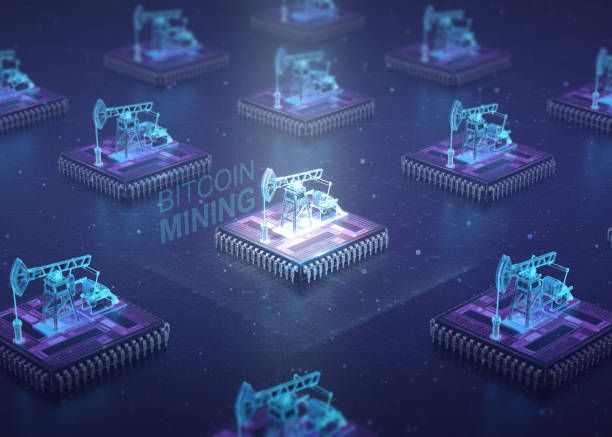
Added to this are factors built into the software itself, such as the halving of the Bitcoin block reward (3.125 BTC). This reduction requires state-of-the-art industrial infrastructure to cover operating costs.
For this reason, individual mining is practically impossible. The only technical alternative to compete is to join a mining pool to combine computing power and receive a share of the rewards. However, for those operating on a small scale, platform fees and electricity bills end up eating into profits, making the activity unprofitable compared to other, simpler investment options.
The environmental impact of mining
The high energy consumption of PoW networks is one of the most hotly debated issues in the sector. The round-the-clock operation of millions of specialised devices worldwide requires a massive amount of electricity, comparable to that of entire countries.
To reduce this carbon footprint, the sector is moving decisively towards sustainability, locating data centres in regions with a surplus of renewable energy to take advantage of clean and cheap sources.
When this energy consumption is put into context, various analyses show that digital mining consumes far less energy than the traditional banking system. Whilst cryptocurrencies focus their energy consumption on efficient servers, conventional banking requires the maintenance of a massive global infrastructure that includes thousands of physical branches, cash machines, corporate headquarters and cash transport logistics systems.
Is it possible to obtain cryptocurrencies without mining them?
Of course it is! These days, you don’t need to buy expensive hardware or pay astronomical electricity bills to accumulate digital assets. The ecosystem offers much simpler and more efficient financial alternatives. One of the most popular is staking, which involves locking your cryptocurrencies into the network to receive steady rewards.
You can also turn to yield farming to earn interest by lending your funds to decentralised protocols, or take advantage of crypto cashback, a system that returns a percentage of your everyday purchases directly in digital assets.

A very practical way to manage and use these cryptocurrencies without the hassle of mining is through prepaid cards such as Bitsa. These cards allow you to top up your balance easily and keep track of your daily budget.
The golden rule is simple: if you already have cryptocurrencies, use them – top up your Bitsa and spend wherever you like, directly in high street shops or online, just as you would with traditional money. All in all, it’s a much more convenient, secure and straightforward way to make the most of your capital on a daily basis.