

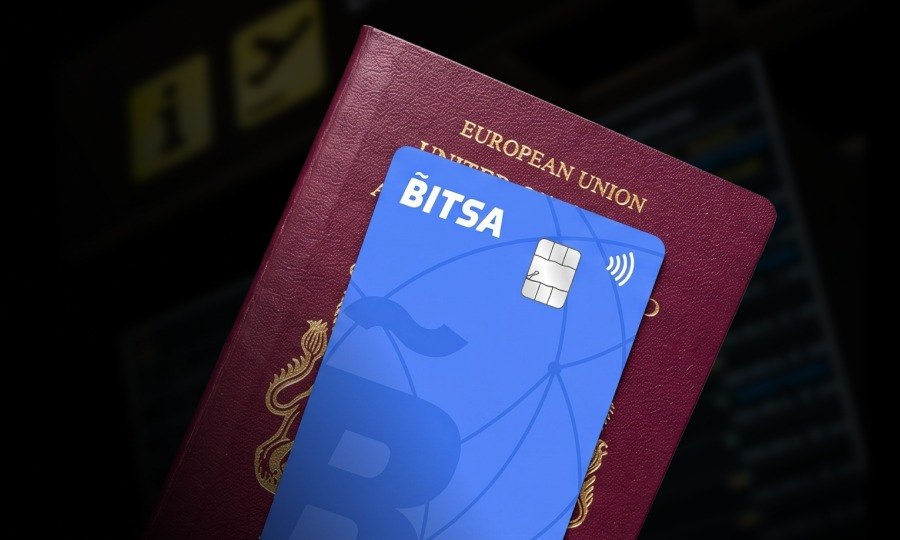
Free prepaid card for travelling around Europe
Travelling around Europe with a single bank card seems convenient until you start using it away from home. Every payment, every withdrawal, and every online purchase exposes your main account, and if something goes wrong, the problem isn’t limited to your trip—it affects everything else.
As an alternative, a free prepaid card would come in very handy. This type of card allows you to load only the balance you’ll need and use it during your trip, without linking your bank account to every transaction. Additionally, many prepaid cards can be contracted without having a bank account, and you can manage everything from an app.
Don’t worry, this isn’t a complicated topic. Here we’ll explain, without too much detour, how these cards work, why they’re more recommended for travel, and how you can get one.
How a free prepaid card works for your travels
The name “prepaid” already gives us an important clue about how these cards work. First you load, then you spend. There’s no credit line and no access to your current account because the money moving the card is only what you’ve loaded beforehand.
Most prepaid cards can be requested completely free from an app. Additionally, registration is usually done without a bank or proof of income. You can activate the virtual card in minutes, while the physical one arrives by mail to use in stores and ATMs. The fact that you can only use the loaded balance helps quite a bit in controlling your spending level.
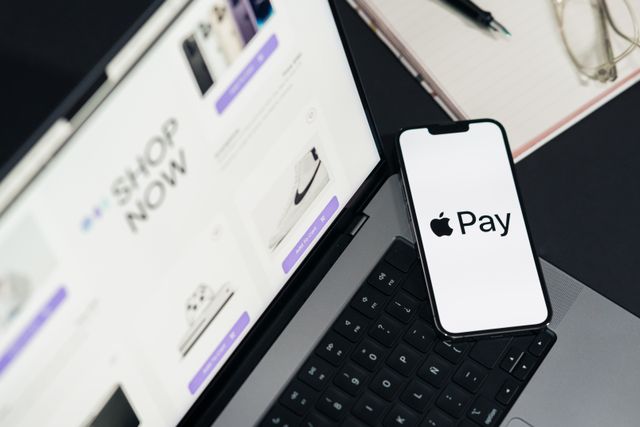
Reloading these cards isn’t complicated either. On trips around Europe, they usually offer reload by transfer or with another card, and they’re accepted at Visa or Mastercard merchants just like a regular card. Additionally, many can be added to Apple Pay or Google Pay to pay with your mobile and use contactless abroad without taking out the physical card every time. It’s all advantages.
Security when paying and withdrawing money abroad
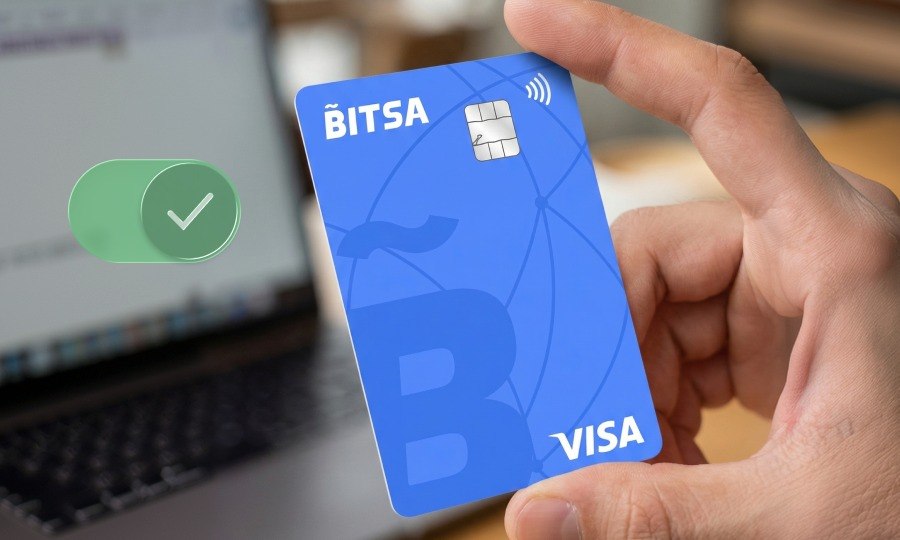
In daily life, we want security regarding finances, but when travelling, it’s almost obligatory to reinforce them. If you’re one of those who use their main card at hotels, restaurants, ATMs, or new websites, let us tell you that you’re risking your entire account with every payment you make. With a prepaid card, the risk is reduced because in case of leakage or fraud, only the balance you’ve loaded is exposed.
That layer of protection is even more useful away from home if you combine it with features like real-time alerts, instant blocking from the app, and 2FA. There are more modern solutions that also add dynamic CVV for online purchases, so the security code changes and makes fraudulent use of the data more difficult.
On the other hand, if you shop on lesser-known websites, the virtual card works as a more disposable version: you can use it for a one-off purchase without turning your main card into the one that “gets saved for next time”. It’s a fairly clean way to limit risk when you don’t know the merchant well.
Practical tips for using it when travelling around Europe
Now that you know what a free prepaid card is and what it’s for, some recommendations when travelling around Europe wouldn’t hurt. There are small details that make a big difference when you’re travelling. The first: always pay in local currency when the terminal allows it. Sometimes they offer to charge you in euros, but that conversion is usually loaded with margin and isn’t always convenient for you. In the eurozone, everything is simpler, but in countries with different currencies, it’s worth paying close attention.
It’s also advisable to withdraw cash only at major bank ATMs and avoid independent operators or “tourist” ATMs. These usually apply the worst conditions. Before leaving home, activate app notifications and make sure your mobile receives alerts correctly. This is because if there’s a strange charge, you’ll know immediately.
As a final tip, it doesn’t hurt to carry the physical card as backup. Mobile payment sometimes fails, NFC doesn’t always work on the first try, and in some stores, the physical card is still the fastest option. The good thing is you can manage everything from your mobile without depending on a bank branch or opening hours.
Bitsa: a free prepaid card designed for travelling around Europe
If what you’re looking for is a prepaid card that offers free registration from the app, instant virtual card, optional physical card, doesn’t require a bank account, and allows you to pay in multiple currencies, Bitsa fits that idea very well.
Additionally, it has its own IBAN, so it doesn’t stop at being a simple spending card. You can reload and manage it from your mobile, use it with Apple Pay and Google Pay, receive real-time alerts, and block it from the app if you lose it. For travel, that translates into something very practical: you’ll have less exposure of your main account and more control over what you spend at any given time.
In Europe, you can end up paying at hotels, shops, transport, ATMs, and booking websites within hours, so that level of control is noticed much more than it seems.
Frequently asked questions about prepaid cards for travel
It’s normal to have doubts before travelling, especially when it comes to financial matters. Below are some questions you’ll probably ask yourself or that may arise along the way:
Do I need a bank account to request a free prepaid card?
Not always. Many prepaid cards can be requested without a prior bank account, although some fintechs do require opening your own account associated with the product. Bitsa, for example, doesn’t require it.
Does it work outside the eurozone and what exchange rate applies?
Yes, they normally work at Visa or Mastercard merchants outside the eurozone. The exchange rate is applied by the payment network or the issuer, and you should check it before travelling.
Can I reload it from abroad?
Absolutely. If the issuer allows reload by transfer or card from the app, you can reload your prepaid card from anywhere. That’s one of its advantages when you travel because you don’t depend on a physical office.
Does it have a daily or monthly usage limit?
Yes, almost always. Prepaid cards usually have reload, balance, and spending caps for security and regulatory compliance reasons.
As we told you at the beginning, travelling around Europe with a single bank card leaves your main account too exposed. A free prepaid card reduces that risk because it works with a closed balance, adds layers of security like alerts and blocking from the app, and also allows you to manage everything without depending on a branch.
If you’re preparing for a trip, it’s worth getting it ready before you leave and using it as a secure complement to your main card.