

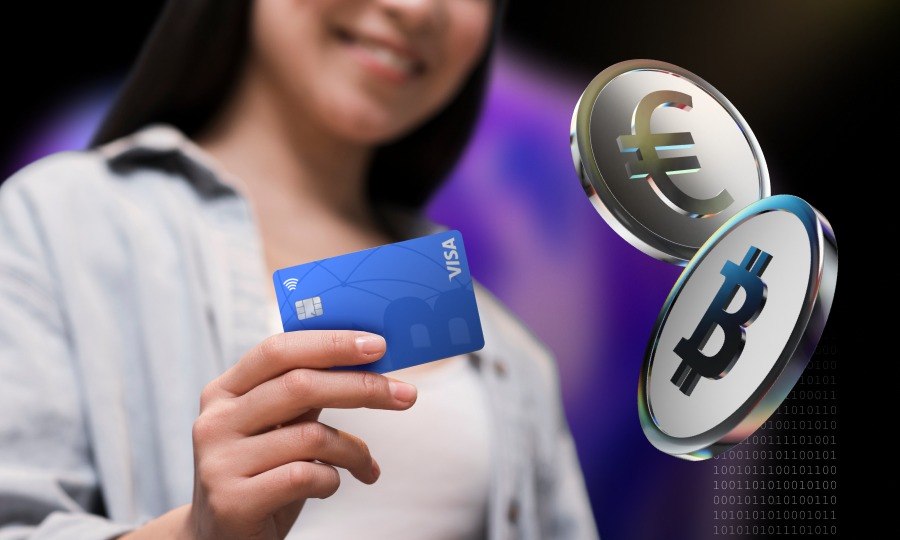
Prepaid and crypto: two tools in a single card
The evolution of financial services has traditionally fragmented the use of fiat money and the management of digital assets. However, current trends are shifting toward convergence.
The competitive advantage no longer lies solely in owning a prepaid card or managing crypto-assets in isolation. The key is the ability to unify both functions into a single tool for everyday use. This integration eliminates friction between ecosystems and allows for a much more fluid management of capital.
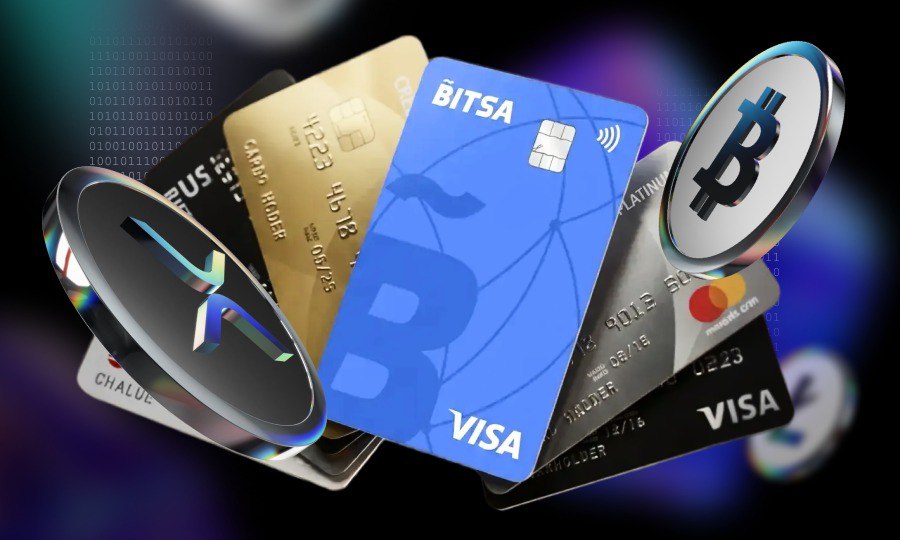
With a prepaid card, you decide how much to load and when
The functionality of a prepaid card transforms consumption dynamics by decoupling spending from a credit line or total savings. Its architecture is based on the pre-loading of funds.
Under this model, users define exactly what amount they wish to have available before making any transaction. It is a system that offers practical and real-time control over a monthly budget. By operating with a closed balance, risks associated with unforeseen charges or forgotten subscriptions are mitigated. Furthermore, the virtual prepaid card format allows for the instant generation of payment methods for specific e-commerce operations.
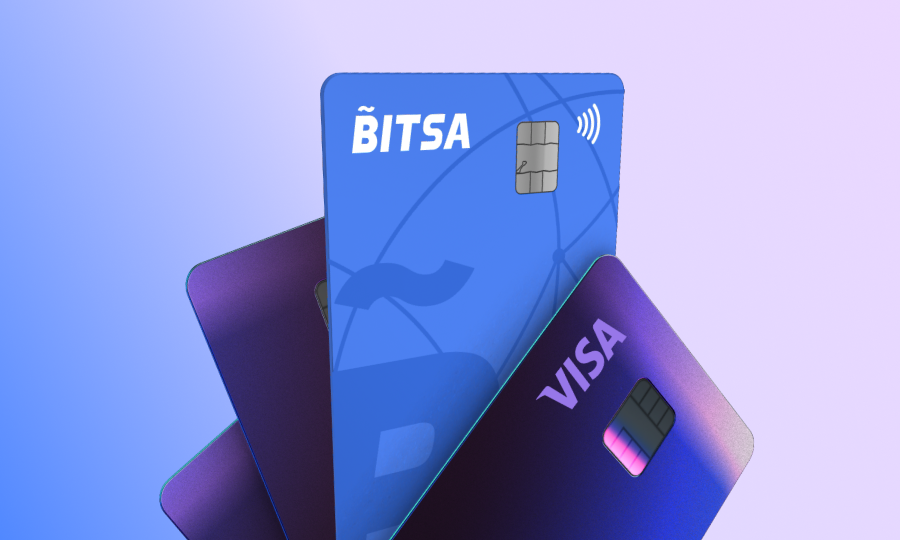
A card that requires neither a payroll nor a current account
Unlike traditional banking products, these tools are designed with accessibility in mind. A crypto-native prepaid card does not necessarily require a linked current account to function.
This structure is useful for profiles seeking agility in their online or physical payments without depending on classic bureaucracy. By not requiring a direct deposit payroll (nómina), access to financial services is facilitated for a broader user base.
Recharge with crypto, pay as usual
The disruptive element is the capacity for hybridization. The value for the user is not simply “storing crypto,” but the possibility of integrating it into their economic routine via a Bitcoin card.
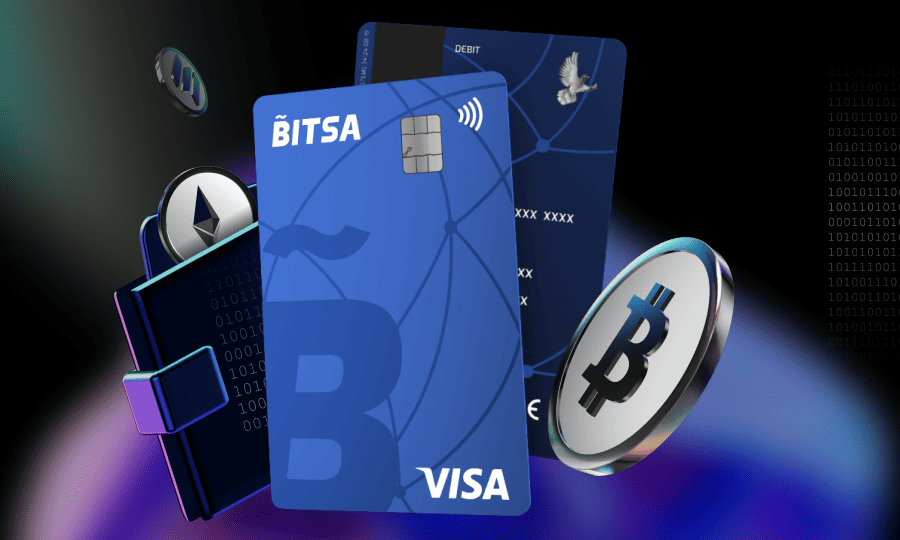
The process is simple: the user recharges their card using their digital assets. These are converted into an available balance to be used at any Point of Sale (POS) terminal or standard payment gateway within the Visa network.
Bitsa exemplifies this integration by allowing cryptocurrency top-ups to translate into a conventional payment experience. For a deeper look into this transition, you can read more about how to buy cryptocurrencies safely on our portal.
For the merchant, the transaction is transparent: they receive local currency. For the user, it means having mobilized their digital capital without complex intermediate steps, as explained in blockchain technology analyses from academic institutions.

Not two products, but one
The central thesis of this tool is the elimination of operational friction. The true value does not lie in offering one solution for asset custody and another for spending, but in providing a single, unified experience.
By reducing the number of platforms and necessary transfers, efficiency is gained. The user can monitor both the price of Bitcoin and the available balance for their purchases from the same interface.
If you want to delve deeper into how these networks work, you can consult our article on what is Ethereum. Fewer steps imply more effective time management and a clearer understanding of overall financial health.

The utility of a tool like Bitsa resides in the synergy it creates between the prepaid model and the crypto environment. By uniting balance control, independence from traditional banking, and the flexibility of digital assets, it forms a practical product for today’s market.
Ultimately, it is a solution that allows the user to move freely between different forms of money without compromising the simplicity of their daily payments. To learn about current European regulations, it is recommended to visit the European Commission portal on financial services.