

How to spend crypto in real life: A practical guide
The undisputed challenge of cryptocurrencies is no longer accumulating them, but finding a way to use them in daily life. Although assets like Bitcoin are mostly seen as investment tools due to their constant appreciation, the reality is that the ecosystem has evolved.
Today, digital assets have become a completely viable alternative to pay for an increasing number of products and services around the world.
Although most traditional stores still do not accept on-chain payments directly, users have practical solutions to overcome this barrier. From using digital wallets to scan QR codes in physical stores, to selecting cryptocurrencies in the payment gateways of major online retailers, the process has become extremely intuitive.
Cryptocurrencies have stopped being a static balance on an exchange to become a real and fluid budget, ready to be used in sectors as diverse as tourism, video games, mobile telephony, and everyday shopping.

The problem of spending crypto directly
Spending cryptocurrencies directly, that is, sending funds from one wallet to another without intermediaries, sounds perfect, but in daily practice it presents several challenges and limitations that every user should know.
- Lack of acceptance in common stores:Although more and more merchants look favorably on cryptocurrencies, the reality is that the vast majority of physical and online businesses still do not accept them at their points of sale. Therefore, today you almost always need a «crypto card» or an intermediary service that converts those assets into traditional money at the time of payment.
- High fees and long waits:Trying to buy a coffee by paying directly from the blockchain can become a headache. Direct transactions often charge network fees that sometimes end up costing more than the product itself, especially when the network is congested. Moreover, the waiting times for payment confirmation are not viable for the rush of daily life.
- The need for a bridge:In the end, the user finds that to connect their cryptocurrencies with their daily expenses, they will almost always need an intermediate layer (such as gift cards or payment platforms) to streamline and facilitate the entire process.
Fortunately, the financial ecosystem has found very ingenious ways to break down these barriers. Today, users do not have to sit idly by waiting for all stores to adopt blockchain technology.
There are different paths and tools designed to adapt cryptocurrencies to the pace of the real world, depending on what each person is looking for: maximum comfort, technological purity, or security for large amounts.
Below, we will analyze the three main options that allow you to transform digital assets into real, everyday purchasing power.

Option 1 — Using a prepaid card topped up with crypto
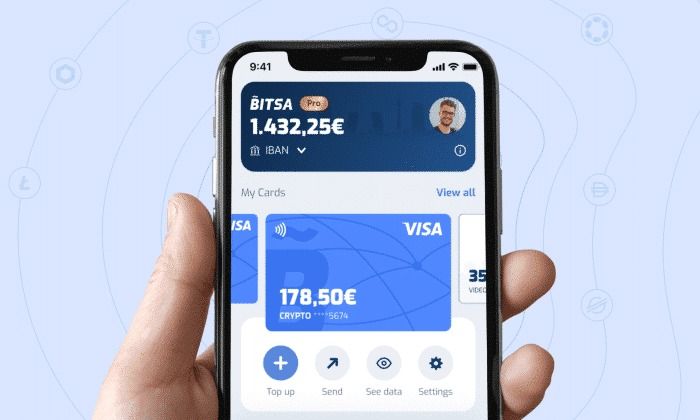
The process is simple: the user tops up the card balance using their cryptocurrencies, the platform automatically converts to euros (or local currency), and from that moment on, you can shop as with any traditional Visa card.
Truly, being backed by a global network, it works without problems in any physical store or online store that accepts Visa. Furthermore, it integrates naturally with modern technologies like Apple Pay and Google Pay to pay directly from your mobile phone or smartwatch.
Although spending crypto in a 100% direct way is a possibility, it often entails certain inconveniences related to price volatility, changing regulations, and lack of acceptance at points of sale.
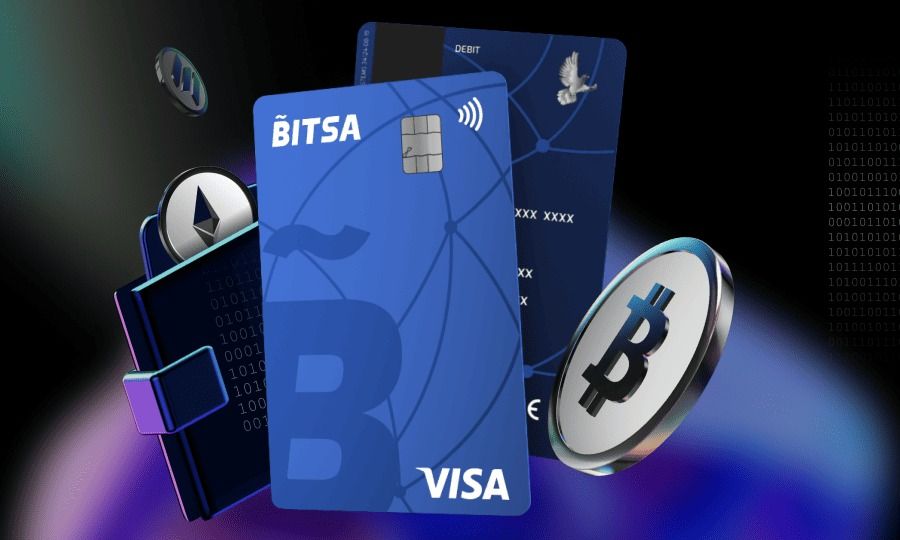
For daily use, options like the Bitsa Card represent a safe, convenient, and flexible option to manage your finances and make online purchases.
Option 2 — Paying directly where crypto is accepted
Now, if you want to avoid the high fees of the main network, the Lightning Network presents itself as the magnificent solution, allowing near-instant transfers for fractions of a cent.
Likewise, there is a select group of e-commerce platforms, tourism services, and content creators that already accept crypto payments natively directly on their portals.
That said, the main challenge of this option remains its reach. Outside the technological ecosystem or very specific niches, global coverage is still limited for the average user.

Option 3 — Convert first and then spend
On the other hand, this third option consists of sending the assets to a trusted exchange, performing a manual sale to convert them into fiat money, and finally, transferring that balance to a bank account or a conventional debit card.
In fact, although this method requires more steps, configurations, and waiting times, it is extremely valid and recommended when dealing with large amounts or high-priority purchases.
What can you buy with crypto today?
Much more than you imagine! Forget the idea that cryptocurrencies are only for keeping them stored away waiting for the price to rise. Today, your balance in Bitcoin, Ethereum, or USDT can be turned into coffee, plane tickets, your house, or mobile phone credit in minutes.
Here I show you how and what you can spend your crypto on currently:
- Mobile top-ups. Ideal for international travelers and anyone with family abroad. They are, without a doubt, the most useful and quiet application that almost no one talks about.
- Travel and accommodation companies:Ideal for frequent travelers, digital nomads, and adventurers who want to see the world. From the consumer’s perspective, it is a fantastic way to travel; in some cases, you can receive exclusive discounts and loyalty points. Furthermore, for travel agencies, accepting cryptocurrencies is the perfect way to stand out in a super competitive industry.
- Video games and digital entertainment:Ideal for gamers, streamers, and anyone who consumes digital content.
- Prepaid cards:What about supermarkets, restaurants, or physical stores that don’t have a Bitcoin QR code at the checkout? Very simple: today you can use prepaid cards backed by VISA or Mastercard.
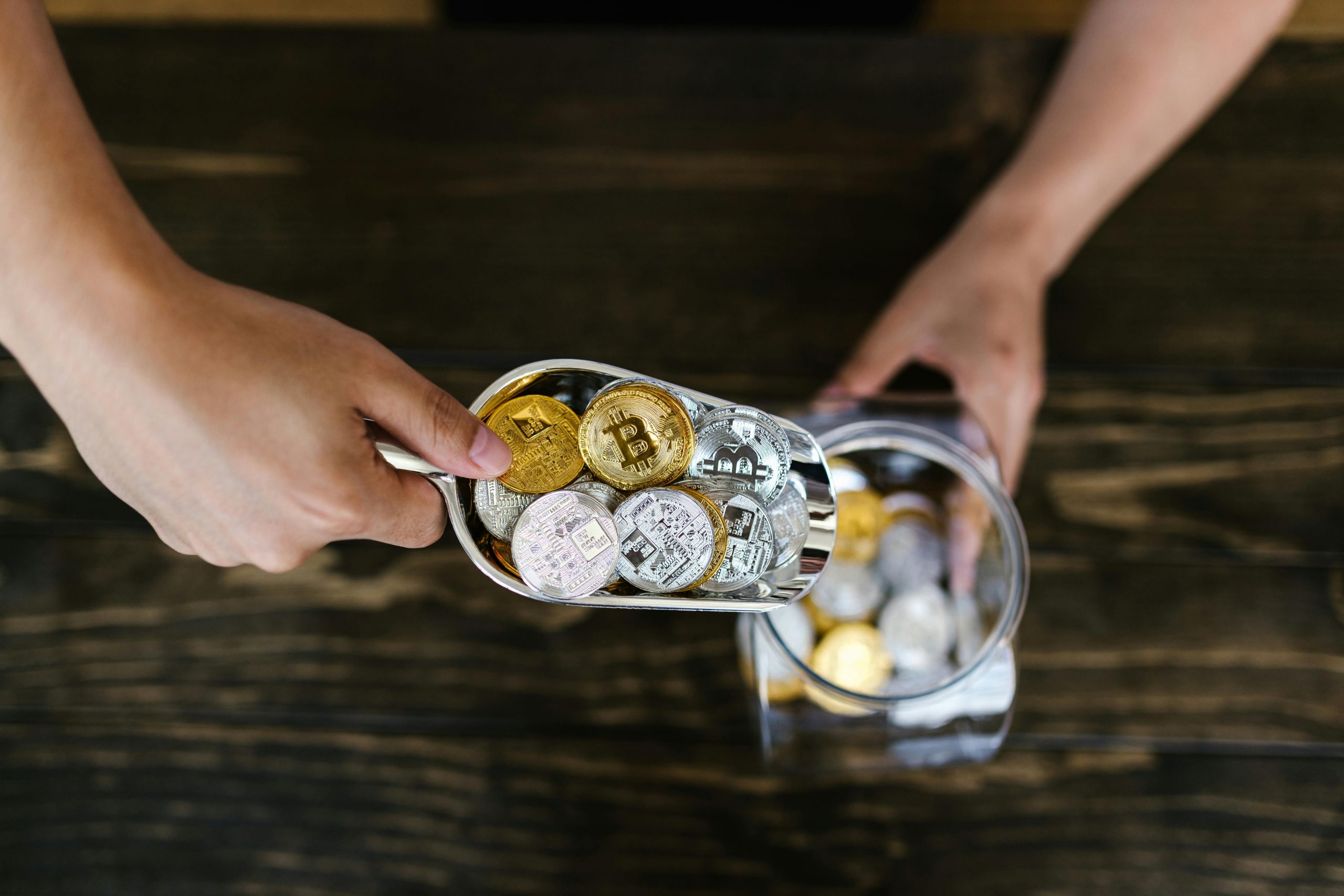
By topping up these cards with your cryptocurrencies, the system instantly converts to your local currency. This allows you to pay for:
- Digital subscriptions:Netflix, Spotify, VPN, and software.
- Everyday purchases:Restaurants, supermarkets, and online retailers.
- Practically everything:Anywhere in the world that accepts regular credit cards.
Which method makes the most sense for daily spending?
|
Method |
Greatest advantage | Main challenge |
Usage recommendation |
| 1. Prepaid Card (e.g., Bitsa) | Universal acceptance. Works in any store with Visa/Mastercard and Apple/Google Pay. | Card reload or maintenance fees. | The winner for day-to-day life: ideal for coffee, groceries, subscriptions, and everyday purchases. |
| 2. Direct Payment (Native Crypto) | No intermediaries. Instant and cheap transfers (via Lightning Network). | Limited reach. Reduced coverage to stores in the tech sector or select niches. | Ideal if you shop at online stores, tourism, or platforms that already accept crypto natively. |
| 3. Convert First (Manual Sale) | Maximum control. Total security by locking in value and avoiding market volatility. | Slow process. Requires more steps, exchange fees, and bank waiting times. | Recommended exclusively for large amounts or high-priority purchases. |
To conclude, from now on, spending is simplified. The next two years will define how cryptocurrencies are definitively integrated into our daily lives, and several trends are already pointing the way. We leave behind technical complications to make way for an ecosystem where your digital assets have the same practical value as the money in your bank account. The transition has already begun, and the technology is ready to keep up with your daily pace.
Make the change today! Load your crypto onto Bitsa and spend it wherever Visa is accepted.