

The bandwagon effect and the pressure to follow trends
You walk into a restaurant and see that it’s full. Right next to it, there’s another one that’s practically empty, with a similar menu and similar prices. Without thinking too much, it seems to you that the first one will be better. You haven’t tried the food from either, but the amount of people has already given you a clue. So without thinking much about it, you choose the full restaurant.
Something similar happens with online shopping. Between two products, it’s easy to choose the one that has more reviews, more sales, or more buzz on social media, even though you haven’t actually read the opinions or checked if it’s what you were looking for. That behavior has a name, and it’s the bandwagon effect.
In this article, we’ll see why we tend to follow what the majority does, in what situations it appears with more force, how it influences what we buy, and how you can prevent popularity from deciding for you.

What the bandwagon effect is and where the name comes from
The bandwagon effect explains our tendency to adopt an idea, a behavior, or a product just because many people have already chosen it. It doesn’t mean that option is bad or that all popular decisions are wrong. The bias appears when popularity replaces our own evaluation.
If everyone seems to be using an app, buying a product, or watching a series, we interpret that there must be a good reason behind it. That sensation saves us time, but it can also make us overlook important information.
The name “bandwagon effect” comes from the English bandwagon, which was used to refer to the wagon that transported a band during parades and shows. Over time, “jumping on the bandwagon” was the phrase used to describe the attitude of joining a trend when it already has many followers. In Spanish, you’ll also find it as efecto arrastre, efecto de la moda, or efecto ola.
Watch out, it may sound similar to the halo effect, but it’s not the same. In the halo, a concrete feature convinces us (design, brand, or high price), and that impression improves our opinion about the whole product. In the bandwagon, what pushes us is seeing that many people have already chosen it.
Where we see the bandwagon effect in consumption
You can find the bandwagon effect in very different situations, from a small purchase to an important financial decision.
A good example is clothing. Surely you’ve seen a garment at some point and thought “I would never wear that”, but over time it becomes fashionable and you start to see it more “attractive”. Then comes phase 2, when it starts appearing in shop windows, social media, and friend groups, you no longer see it as just another garment. Now you feel that it’s something you should have.
This effect on TikTok is commonplace. A viral video can turn an unknown product into a sales success in a very short time. The number of people showing it and the views make it seem like an almost mandatory purchase, even though many of those people don’t even explain if it has really worked for them.
Online store reviews also weigh heavily. If we find two similar products, we’ll most likely choose the one with more ratings. We do it even without reading them and without checking if the most popular product adapts better to what we need. Having more buyers doesn’t always mean offering a better solution.
It can also happen in music and series. The simple fact of wanting to participate in a conversation with our friends can lead us to watch the series. The reason is very simple: everyone has seen it.
The financial markets are also a very clear example of this effect. The difference is that in this case, the consequences can be much more serious. Some people invest in an asset because they see that “everyone is doing it”, without understanding well how it works or valuing if it fits their objectives and their risk tolerance.
All these cases have a simple pattern, and it’s that we use popularity as a mental shortcut. Instead of dedicating time to compare, investigate, and decide what suits us, we assume that so many people can’t be wrong.

How the bandwagon effect influences your purchasing decisions
The reason this effect works so much is that it offers us a quick response, and the human brain will always go for the easiest. Instead of starting with the question “does this suit me?”, we start with another much simpler one: “how many people are buying it?”.
If we see someone choosing a product, we can think that they’ll have their reasons. If afterward, we see that ten other people do the same, the choice seems even more reliable. And if the figure reaches hundreds or thousands, the choice is already clear.
This is a full-blown “information cascade“. The decisions of the first ones influence the following ones, and the following ones make the option seem even more evident for those who arrive later. The result? A trend that grows because people follow it, not necessarily because everyone has discovered through their own experience that it’s the best.
Another important factor is that we spend more time on screens than in real life, and social media produces a notable amplifying effect. A “like” counter, a notice of “more than 1,000 people have bought it”, or a list of videos recommending the same product turn popularity into a signal that we can see at all times.
The problem with this effect is that you can end up buying sneakers you don’t need, a tool you won’t use, or a subscription you contracted just because it seemed like everyone was in. And all this just because we follow the feeling of not being left out of the trend.
How to avoid falling into the bandwagon effect when buying
Avoiding falling into the bandwagon effect is not distrusting everything that’s fashionable. Many trends start because someone discovers something useful or entertaining. The question is to decide if it also makes sense for you, instead of assuming that you must like it because it works for others.
Before buying something or joining a trend, try to stop for a second and answer these questions:
- Would I have looked for it if I hadn’t seen it on social media?
- What concrete need does it cover?
- Do I already have something similar at home?
- Am I looking at its features or just the number of people who have bought it?
- What do those who’ve had a bad experience say?
Get used to reading negative reviews too. Not because an isolated critique should discard a product, but because repeated problems can give you a more realistic image than a list of enthusiastic comments.
You should also let some time pass before jumping into a viral purchase. Most trends lose strength after a few weeks. If after the hype, you still want that product, then you’ll know that the decision is yours and not because of what’s viral.
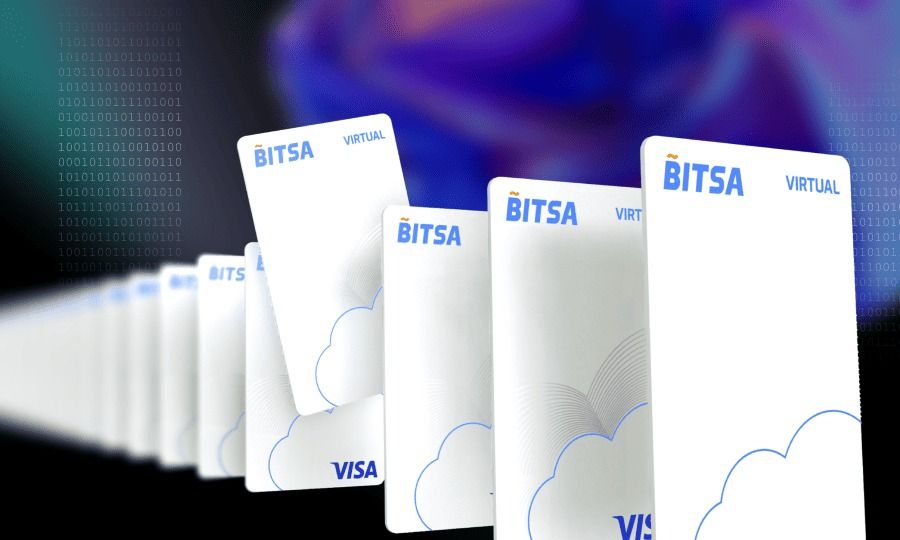
Another good practice is to set yourself a spending limit per month for treats and fashions. If it’s hard for you to establish that limit in your bank account, try with a virtual prepaid card. Bitsa allows you to have one or several cards where you can better organize your budget for these cases.
That something is popular can serve you as a clue, but it doesn’t prove that it’s the best for you. Before buying, compare, also review the critiques, and let some time pass to check if you really want it.
Frequently asked questions (FAQ)
What is the bandwagon effect?
It’s the tendency to adopt an idea, behavior, or product mainly because many people have already chosen it, using popularity as a mental shortcut.
Is it the same as the halo effect?
No. The halo is based on a concrete feature (design, brand, price) that improves the general opinion. The bandwagon is based on seeing that “everyone is doing it”.
Where does it appear most in consumption?
In clothing and viral trends (TikTok), reviews and sales counters in online stores, series and music “that everyone watches”, and also in investment decisions.
Is the bandwagon effect always bad?
No. Sometimes what’s popular is good. The risk is in deciding only by popularity, without checking if it adjusts to your needs and budget.
How to prevent fashion from deciding for me?
Ask yourself if you would have looked for it without social media, what need it covers, if you already have something similar, and if you’re looking at features or just the number of buyers.
What practice helps control spending on trends?
Set yourself a monthly limit for treats and fashions. A virtual prepaid card (for example, in Bitsa) allows you to separate that budget and prevent it from affecting your main account.