

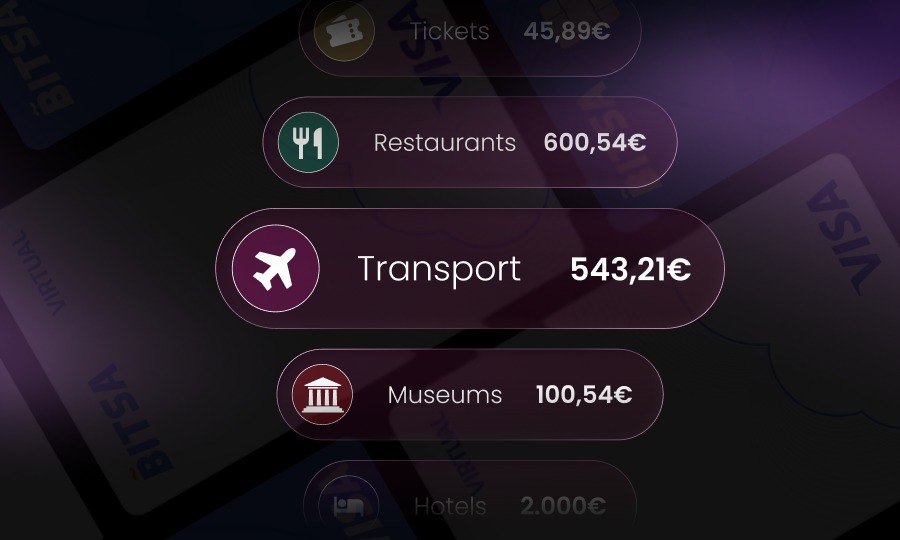
A card for everything, all in Bitsa
The digitalization of finance has simplified access to various payment methods, but it has also excessively centralized our economic activity. Using a single card to manage monthly subscriptions, in-store purchases, e-commerce platforms, and travel expenses might seem like the most convenient option at first glance. However, this centralization is not always the most practical or efficient from a financial organization perspective.
Rather than unifying every transaction into a single piece of plastic or digital number, current trends in smart management suggest that spreading out usage and managing expenses independently—while centralized within a single platform—provides superior operational clarity.
Why One Card for Everything Falls Short
The habit of linking all expenses to a single payment method leads, in the medium term, to a loss of visibility over cash flow. When grocery shopping is mixed on the same statement with a streaming service subscription or a one-off purchase from an overseas marketplace, the ability to analyze spending is significantly reduced.
Beyond the difficulty of categorizing expenses, depending on a single payment path limits your room for maneuver. If that card encounters a technical issue or needs to be blocked, the user’s entire daily operation grinds to a halt: from paying for public transport to scheduled recurring payments. This lack of compartmentalization turns a minor incident into total financial paralysis.
Virtual for the Internet, Physical for Daily Life
The most efficient technical solution lies in the specialization of payment methods. A virtual prepaid card is designed specifically for the digital environment. Its intangible nature allows it to be generated and used instantly for online shopping, protecting the data of your primary physical card.
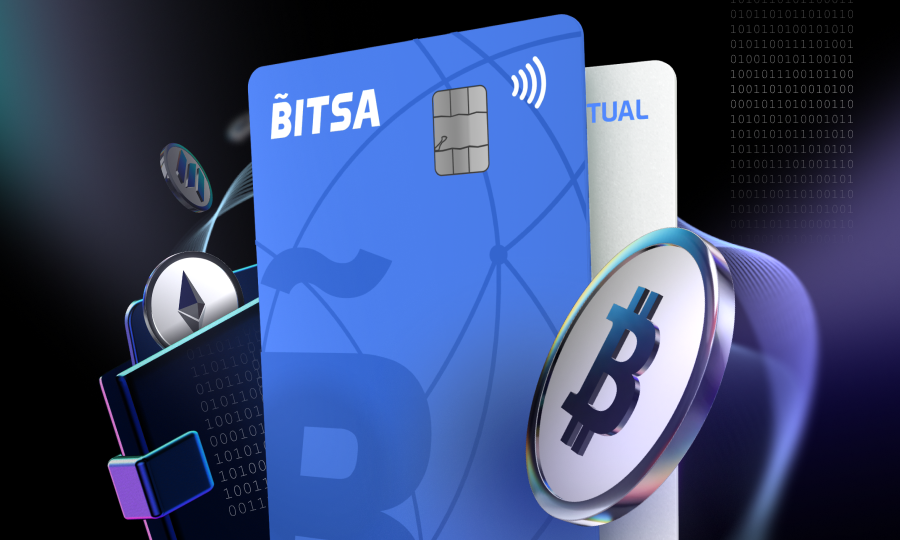
On the other hand, a physical prepaid card fulfills its purpose in the real world: payments at Point of Sale (POS) terminals and ATM cash withdrawals. Separating these two spheres allows the user to adapt each tool to its context:
- Operational Security: Physical card credentials are not exposed to website databases.
- Subscription Control: Using a virtual prepaid card for recurring services allows you to assign a specific balance, preventing unexpected charges if you forget to cancel a free trial.
What happens if a Card is compromised?
In the world of payments, risk isn’t always synonymous with fraud; sometimes it involves simple technical glitches or administrative errors by a merchant. If a user uses a single card for everything, and it must be canceled or paused for any reason, the impact is systemic: automatic payments and immediate purchasing power are lost.
Having multiple supports—a physical prepaid card and several virtual prepaid cards—segments the risk. If an issue arises with an online purchase and the virtual card needs to be deactivated, the physical card remains operational for daily expenses. This payment architecture offers crucial breathing room, ensuring that an isolated incident does not drag down the rest of your financial operations. According to ISO/IEC 27001 standards on information security, compartmentalization is one of the fundamental strategies for risk mitigation.
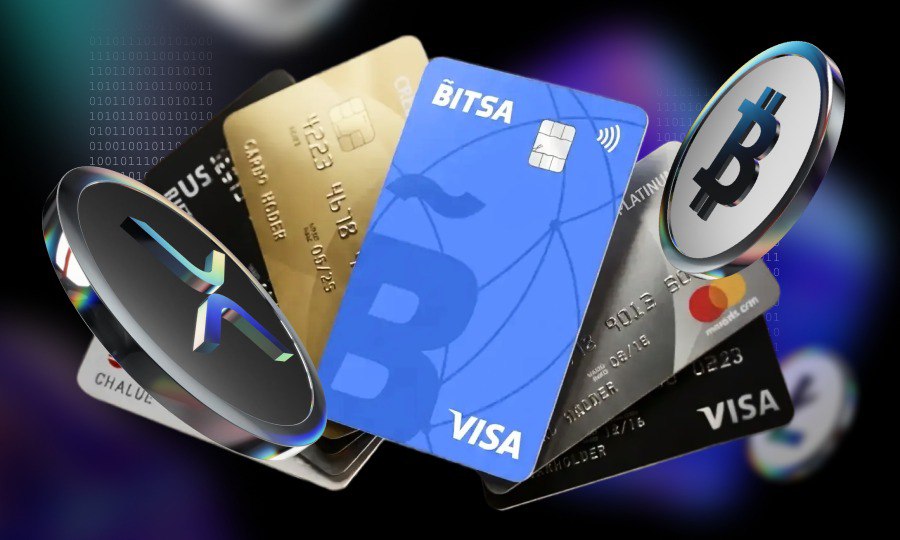
One App to Rule All Your Prepaid Cards
Diversifying your cards does not have to translate into complex management. Bitsa allows both formats to coexist within the same digital environment. The ability to request a physical prepaid card for in-person use while simultaneously managing a virtual prepaid card from the same application eliminates the friction of having to consult different banks or entities.
From a single interface, you can top up each card based on your immediate needs, transfer balances between them, or check transactions independently. This centralized management, as opposed to scattered payment methods, is what allows for true control over your digital assets.
All Your Prepaid Cards in One Place
Having multiple cards doesn’t mean multiplying your worries; it means distributing functions to pay more logically. The “one app, multiple cards” architecture offers a big-picture view that the traditional single-card model cannot match. By segmenting usage, users can see exactly how much they spend on digital leisure versus in-person shopping without needing external accounting tools.
This model is especially useful for travelers, as it allows them to keep one card for foreign currency expenses and another for fixed costs in their home country—all under the same biometric and security control of the mobile app. Institutions like the European Central Bank highlight the importance of transparency and user control in new digital payment methods.
Conclusion
The idea that a single card for everything is the height of convenience is often a misconception. True financial flexibility arises from the ability to choose the right payment method for every situation: the immediacy of the virtual prepaid card for e-commerce and the versatility of the physical prepaid card for daily life. By centralizing these tools on a platform like Bitsa, users not only gain security and reaction time against unforeseen events but also obtain a much more organized spending structure adapted to the needs of today’s world.
To take the first step in this organization, we recommend reviewing how to request your Bitsa card step-by-step. Additionally, to understand the legal framework protecting these operations, it is useful to consult the European PSD2 directive on payment services, which regulates the security of these transactions within the common area.