


Crowdfunding by Project Type in Spain: Creative, Real Estate, Lending and Donation
You’ve probably come across the word “crowdfunding” in a conversation with friends, on a finance podcast or while scrolling through Instagram, and had no idea what it meant. I know it sounds like something involving suited investors, or those viral Kickstarter projects asking for half a million euros to fund random ideas. The good news is that reality is much simpler.
Crowdfunding is basically just a way of financing something through many people instead of going to a bank. In Spain, there are four types, not just one. Four different ways of using crowdfunding depending on what you want to achieve. You can launch a creative project, invest in real estate, lend money in exchange for interest or support a social cause.
It is much simpler than it seems, and we’ll explain it to you in just a couple of minutes. Once you understand the differences between each type, everything falls into place. If you ever have to choose a model yourself, picking the right one can be the difference between a successful campaign and an avoidable disappointment.

The Four Crowdfunding Models and How They Differ
Before getting into each type, let’s bring some order to the picture. The key to avoiding confusion is a very simple question: what does the person contributing money receive? Because depending on the answer, you’re dealing with one model or another, and that changes everything. Depending on the type, the platforms you use, the tax treatment, the risks and even what you can legally promise may all be different. Let’s look at the types of crowdfunding available:
- Reward-based crowdfunding (the creative model). In this model, you contribute money to a cultural or creative project and receive a product or experience in return. It could be a signed book, an early-access ticket or a mention in the credits. Keep in mind that there is no financial return. Your “benefit” is getting the album, comic or T-shirt before anyone else.
- Investment crowdfunding (real estate and equity). This is for when you buy a stake in an asset or project. If the project performs well, you can earn money through capital appreciation, rental income or dividends. If it performs badly, you can lose part or all of your capital. There is a financial return here, but also real risk.
- Crowdlending (the lending model). In this case, you lend money to a company or individual through a platform and receive fixed interest in return. It is debt, not ownership. You receive what was agreed, no more and no less.
- Donation-based crowdfunding (the charitable model). Finally, in this model, you contribute to a social cause without expecting anything material in return. The return is emotional or ethical. What you gain is the opportunity to help someone pay for medical treatment, fund an NGO or support refugees.
Each model has specialized platforms, different legal requirements and its own risks. You cannot launch a comic on a crowdlending platform. The CNMV specifically supervises investment and lending models, while creative and donation-based crowdfunding operate with less direct regulation, although they still have their own rules.
Now that you have the big picture, let’s look at each type in detail. We’ll start with the one you’ve probably heard of: creative crowdfunding.
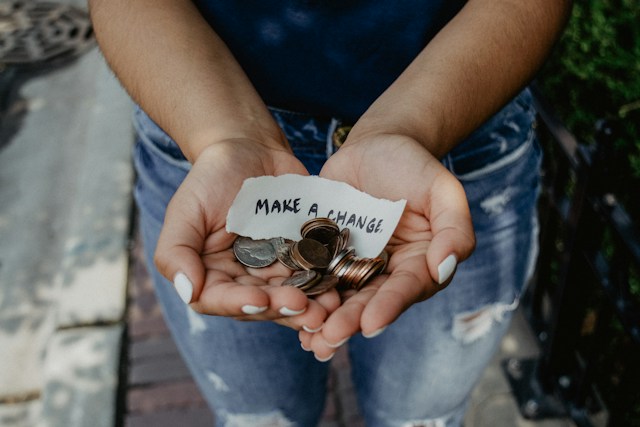
Creative Crowdfunding: For Books, Comics, Music and Film
If you’ve ever seen a campaign to fund an album, a self-published book, a short film or a podcast series about practically anything, you’ve seen creative crowdfunding in its purest form. This is the model that popularized the concept in Spain and remains the most visible, although it is not the one that moves the most money.
How It Works (Without Boring Technical Details)
The process is very simple. A creator (they could be a musician, writer, illustrator or filmmaker) publishes a project on a platform with a funding target. For example, imagine they need €5,000 to record an album. There is a series of tiered rewards if the target is reached. If the goal is achieved within the established timeframe, which usually takes between 30 and 60 days, the project is funded and the creator receives the money. If the target is not reached, no money is collected and the backers are refunded.
Rewards are the key to this model. You don’t really buy the product; instead, you support it. In return, you receive something symbolic or experiential. For example, a signed CD for €20, a T-shirt for €35, a private dinner with the band for €200 or having your name in the credits for €500. Platforms usually retain a fee (generally between 5% and 8%) plus the transaction cost (around 2.9% + €0.25 per card).
Leading platforms in Spain
- Verkami. The most popular platform for cultural and creative projects (books, music, film and comics).
- Goteo. Focused on projects with a social, educational or impact component.
- Lánzanos. Specialized in all kinds of creative and cultural initiatives.

Advantages and Disadvantages
Like any financing model, creative crowdfunding has its strengths and weaknesses. It isn’t perfect. It’s important to understand both its advantages and its limitations before getting started, so you can decide whether it is the right fit for your project. Here are both sides of the coin:
| Advantages | Limitations |
|---|---|
| Validates your idea before you produce it: if nobody contributes, perhaps the problem is the idea, not the promotion. | No financial return. Contributors receive the product or an experience, not money. |
| Builds a community of committed followers from day one. | Requires intensive promotion. Success depends more on your communication (social media, email, press and events) than on the platform. |
| You raise funding without giving up equity or taking on debt. | The platform provides the showcase, but you have to bring the traffic. |
| Ideal for projects with a tangible product to offer as a reward. |
Real Estate Crowdfunding: How to Invest in Property with Small Amounts
If creative crowdfunding is for people who want to finance a project, real estate crowdfunding is for people who want to invest their money. Here, you are not supporting an artist. Instead, you buy a fraction of a building, development or mortgage loan. It is a way to get started with small amounts, from €50–500. A decade ago, this would have been unthinkable if you wanted to get into the property market.
How It Works (Without Boring Technical Details)
The process is straightforward. First, an online platform publishes a real estate project. The project could involve buying and renovating properties to sell them, building a property or financing a developer with a mortgage-backed guarantee.
Keep in mind that you don’t buy the entire property. You buy a fraction alongside many other investors. In this crowdfunding, there are two main models:
- Lending (you receive fixed interest, usually between 8% and 12% annually)
- Equity (you buy a stake and earn through capital appreciation and rental income, with a target IRR of 14–16%).
The terms range from 6 to 36 months for loans, and from 12 to 24 months for equity. That’s it! At least as far as how it works. Now let’s look at the leading platforms in Spain.
Leading platforms in Spain
- Urbanitae. This is the largest in Spain, with more than €340 million raised and an average annual return of 13% (minimum investment €500).
- Civislend. Specialized in real estate crowdlending, with an average return of 11.31% and projects starting at €250.
- Wecity. All projects have a first-ranking mortgage guarantee, with an annual return of 12.6% and a stated 0% default rate (from €500).
- Housers. One of the pioneers, offering returns between 8% and 12% and entry from €50.

Advantages and Disadvantages
Real estate crowdfunding opens the door to an asset that previously required tens of thousands of euros to invest in. Now you can get started with €500, but it isn’t perfect. As we always say, understanding both the advantages and disadvantages helps you decide whether it is what you’re looking for. Here are the most important ones:
| Advantages | Limitations |
|---|---|
| Access to the sector with small amounts: from €50 to €500, something unthinkable a decade ago. | Real risk of capital loss: if the project goes badly, you can lose part or all of your investment. |
| Attractive returns: between 8% and 14% annually depending on the project and platform. | Illiquidity: your money is locked up for months or years; it is not a savings account. |
| Geographic and project diversification: you can spread your capital across different developments and cities. | Requires analysis: you need to read the business plan, LTV, guarantee and developer details before investing. |
| Two models: lending (fixed interest) or equity (share in capital appreciation). | Complex taxation: capital gains are taxed as investment gains under personal income tax. |
Crowdlending: Loans to Companies and Individuals Through Platforms
With crowdlending, things are different. If real estate crowdfunding means investing in assets, crowdlending means lending money in exchange for interest. In this case, you are the bank. You lend capital to companies or individuals through a platform, and they pay you back the money plus fixed interest. It is the model that moves the most money in Spain within financial crowdfunding, and returns are usually between 6% and 12% annually.
How It Works (Without Boring Technical Details)
The mechanism is simple. The platform publishes loans requested by companies. These could be for working capital, expansion or renovations. Individuals can also submit requests, such as debt consolidation or personal projects. You decide how much to lend to each borrower, usually from €10.
The platform manages the collection of monthly installments and transfers the interest to you. There are two main types:
- Secured loans (mortgage-backed or collateralized)
- Unsecured loans (more risk, more interest).
Terms range from 6 months to 5 years, depending on the type of loan. Let’s see which platforms lead the Spanish market:
Leading platforms in Spain
- Mintos. This is the largest in Europe. It offers loans from €10 with returns between 6% and 14% annually (regulated in Latvia).
- PeerBerry. This platform specializes in secured loans, with returns of 10–12% annually and entry from €10.
- Lendermarket. It offers short-term loans with returns of 12–14% annually. The minimum investment is €50.
- Monefit. This is a Spanish platform offering returns between 7.5% and 10.5% annually, with entry from €10.

Advantages and Disadvantages
Crowdlending offers returns that are much higher than bank deposits, but with risks that you cannot ignore. Here are both sides so you can make an informed decision:
| Advantages | Limitations |
|---|---|
| High returns: Between 6% and 12% annually, well above deposits and savings accounts. | Default risk: If the borrower does not pay, you lose money. There is no public guarantee like with banks. |
| Very low entry point: From €10–50, accessible to almost any investor. | Illiquidity: Although there may be a secondary market, you may not always find a buyer if you need to sell early. |
| Easy diversification: You can spread your capital across dozens or hundreds of small loans. | Taxation: Interest is taxed as investment income (19–28% under Spanish personal income tax). |
| Two types of loans: Secured (lower risk) or unsecured (higher interest, higher risk). | Platform failure: The funds belong to investors, but management becomes more complicated if the platform closes. |
Donation Crowdfunding: Social Causes and Emergencies
The three previous models have something in common: there is a return in all of them, whether that means a product, interest or capital appreciation. Donation crowdfunding is different. Here, you contribute money to a social cause, emergency or charitable project without expecting anything material in return.
You could say that the return here is emotional or ethical. What you gain is helping someone pay for medical treatment, funding an NGO or supporting refugees. It is the most human model, but also the one that depends most heavily on storytelling and promotion.
How It Works
In this case, the process is very straightforward. First, an individual, family or nonprofit organization publishes a cause on a platform. The cause could involve uncovered medical expenses, refugee assistance, disaster recovery, NGO funding or something similar. Then, a funding target and timeframe are established (sometimes there is no deadline). Donors contribute whatever amounts they wish, from €5 to thousands of euros. The platform processes the payments and holds the funds until the beneficiary withdraws them. Payments can be made by card, Bizum or bank transfer. It is worth noting that some platforms charge a fee. Let’s take a look at the leading platforms in Spain for this type of crowdfunding.
Leading platforms in Spain
- Coral. This platform does not charge a platform fee (only the 2.9% + €0.25 transaction fee, which can be covered by the donor) and issues donation certificates for accredited NGOs, making it ideal for structured causes.
- GoFundMe. It is the most widely used platform for personal emergencies such as medical expenses, funerals or natural disasters, and it also does not charge a platform fee in Spain.
- Migranodearena. It specializes in refugee and immigrant causes in Spain, charges a 5% fee and accepts Bizum.
- Teaming. It works through recurring micro-donations of €1 per month for social, environmental or cultural projects. In other words, it is a subscription model rather than a one-off campaign.

Advantages and Disadvantages
Donation crowdfunding is the easiest model to understand, but it also depends most heavily on the ability to promote the campaign and tell its story. Here are its advantages and disadvantages so you have all the information before choosing:
| Advantages | Limitations |
|---|---|
| No expected financial return: you contribute out of conviction, not for profit. | The “no return” is also a disadvantage. Contributors receive nothing material, only the satisfaction of helping. |
| Global access: anyone can donate from anywhere in the world. | Requires a strong narrative: without a well-told story, the campaign will struggle to take off. |
| Complete flexibility: personal causes, NGOs, emergencies and social projects. | Intensive promotion: success depends almost entirely on how effectively you promote the campaign through social media and the media. |
| Low or no fees: many of these platforms do not charge a platform fee. | Limited tax benefits: only donations to accredited NGOs qualify for personal income tax deductions. |
What Does the CNMV Require from Platforms in Spain?
So far, we’ve looked at the four models, their platforms and their risks. But one key piece remains: who supervises all of this? Since 2020, under the European Crowdfunding Regulation (EU 2020/1503), crowdfunding platforms in Spain operate as authorized and supervised Crowdfunding Service Providers (PSFP) regulated by the CNMV.
The practical meaning of all this regulation is that you cannot simply build a nice website and start collecting money. There are rules, registers and penalties. And as an investor or creator, it is worth knowing what they are so you don’t end up using platforms that are not operating correctly. The first step is understanding the key requirements.
Key Requirements (What You Should Check)
Before signing up to any platform, there are five things you should check. This isn’t boring bureaucracy; it’s your protection.
- CNMV authorization. All platforms must be registered in the CNMV’s public register. The authorization process takes between 6 and 9 months. If it is not in the register, it is not legal.
- Regulatory capital. Platforms must have a minimum capital buffer of €25,000 or one quarter of their operating expenses. This capital can be replaced by insurance or a bank guarantee.
- KIIS information sheet. Each project must include a standardized information sheet of no more than 6 pages covering risks, costs and expected returns.
- €5 million limit. A platform cannot raise more than €5 million per project owner within 12 months. If it needs more, a different regulatory framework applies.
- Segregation of funds. Investors’ money is kept separate from the platform’s capital in safeguarded accounts. If the platform goes bankrupt, your money does not form part of the insolvency estate.

The next step is to verify that the platform is authorized. As we mentioned, the CNMV maintains a public register of PSFP providers authorized in Spain and European providers operating here under their European “passport”. Before investing or launching a campaign, check that the platform appears on this register. There are currently more than twenty authorized providers.
Keep in mind that the CNMV also regularly publishes lists of unauthorized entities operating in Spain. Before registering, verify that the platform appears on the authorized register. If it is on the unauthorized list, it cannot legally operate.
Frequently Asked Questions About Crowdfunding
Which type of crowdfunding is the most profitable? It depends on the level of risk involved. Crowdlending and real estate crowdfunding can offer between 6% and 12% annually, but with a real risk of losing capital. Reward-based and donation crowdfunding have no financial return.
Do I have to pay taxes on crowdfunding investments? Yes. Crowdlending interest is taxed as investment income. Capital gains from real estate or equity crowdfunding are taxed as capital gains.
What happens if the platform goes bankrupt? Investors’ funds do not belong to the platform but to the projects. However, a platform’s bankruptcy makes payment collection more complicated and may affect recovery.
Can I invest without being an accredited investor? Yes, but with limits. European regulations limit the amount that non-accredited investors can contribute per project and annually. The specific amounts vary depending on the type of platform.
Is creative crowdfunding profitable? Not in financial terms. The reward is usually the product or an experience, not money. It is useful for validating an idea and financing its production.
Choosing crowdfunding means first choosing a type of relationship with money: lending it, investing it, donating it or exchanging it for a product. The right platform comes afterwards, not before. Getting the classification wrong at the beginning often leads to avoidable disappointments at the end.