

Crypto card vs prepaid card vs wallet card: Key differences
You’ve probably been there: you want to use your cryptocurrencies to pay for your morning coffee, do your grocery shopping, go on vacation or treat yourself online, and you come across a sea of financial options. Although today it is easy to connect your digital assets with your daily expenses, the reality is that not all options work the same.
Basically, there are three main ways to combine your crypto with your day-to-day payments: the crypto card (linked to an exchange) , the prepaid card and the wallet card. Although at first glance they may look the same because they are all plastic or digital, behind the scenes they operate very differently, offering you different levels of control, security and convenience.
In this post we are going to break down the key differences of each one so you can discover which one best suits your lifestyle and your budget.
What is a crypto card?
To define it simply, it is the perfect bridge between your digital assets and traditional commerce. Imagine being able to walk into any store that accepts Visa or Mastercard and pay the bill directly with your Bitcoin, Ethereum or USDT funds. That is exactly what this card does: it allows you to spend your cryptocurrencies in real time, automatically converting them into fiat currency right at the moment you swipe the card at the point of sale or buy online.
Depending on the platform, these cards can operate under two main modalities: as a debit card that debits directly from your accumulated balance, or even as a credit card linked to an exchange, where you spend on credit and then pay with your crypto (this last option usually requires prior credit approval).
One of its biggest attractions! Most offer reward programs, referral bonuses and cashback (crypto rebates for every purchase you make). Very well-known examples of this are the Crypto.com Visa or the Coinbase Card.

Advantages and disadvantages
Like any financial tool, cards linked to an exchange have their bright side and their fine print. Here is the quick balance to see if they suit you:
The advantages
- Convenience:Pay at any business in the world that accepts Visa or Mastercard with automatic conversion to local currency instantly.
- Rewards for spending:Many offer cashback (they return a percentage of your purchase) and crypto rewards.
- Cash at hand:You can use them to withdraw physical money directly from global ATMs.
The disadvantages
- Less privacy:Being linked to centralized exchanges, they require mandatory identity verification (KYC) .
- Fees and tax paperwork:They may apply conversion charges. Furthermore, in many countries, each payment with crypto is considered a sale of assets and you must declare it.
- Credit and market risks:Credit modalities may require a credit history. On the other hand, if you don’t use stablecoins, price volatility can work against you when paying.
What is a crypto prepaid card?
A crypto prepaid card works exactly the same as traditional prepaid cards, but with a superpower: you top it up using your digital assets.
Unlike exchange cards that convert funds automatically at the exact second of purchase, here you decide the process. You enter the card’s application, choose how much cryptocurrency you want to change, and that balance is converted to euros when you top up the card. From that moment on, you already have fiat money ready to spend at any merchant on the Visa or Mastercard network.
A great example of this ecosystem is the Bitsa Card, a very popular option that not only allows you to easily top up with cryptocurrencies, but also offers instant conversion to euros and attractive cashback programs.
Advantages and disadvantages
This option stands out for its security and control. Here is the quick balance:
The advantages
- Zero debt:You only spend what you decide to top up. It is impossible to go into the red or pay interest.
- No traditional banks:You don’t need to connect your usual bank account, giving you more autonomy and privacy.
- Multi-crypto support:Allows you to top up your balance using different cryptocurrencies and stablecoins at once.
- Global use and benefits:It works all over the world thanks to networks like Visa or Mastercard and many offer cashback.
The disadvantages
- Mandatory manual top-up:You have to remember to convert your crypto to euros within the app before going to pay, it is not automatic at the checkout.
- Conversion fees:Although they don’t charge maintenance, they usually apply small commissions or spreads when changing your crypto to fiat money.
- Regulatory hurdles:They must comply with strict local regulations (such as the MiCA law in Europe), which limits some functions depending on your country.
What is a wallet card?
To close the trio, we come to the wallet card. Imagine your traditional wallet, the one where you keep bills, supermarket tickets and your transport pass, but 100% inside your mobile phone.
A wallet card is a plastic card (or a purely virtual card) that is linked directly to a digital wallet instead of a traditional bank account. Here, the balance lives and is managed within your wallet’s application, giving you brutal financial autonomy. Depending on the provider you choose, it can function as a debit or prepaid card, and it is the perfect option for those looking to digitize their life to the fullest and make quick payments without having to take the plastic out of their wallet.
Perfect examples of this ecosystem are global platforms like PayPal or Skrill, as well as the products of various modern neobanks that allow you to build your financial history and manage your balance 100% digitally, often offering great advantages such as interest-free installment purchases or refunds on your expenses.
Advantages and disadvantages
The wallet card is the ideal option for those seeking absolute comfort and to digitize their day-to-day life. Like the previous ones, it has its own balance:
The advantages
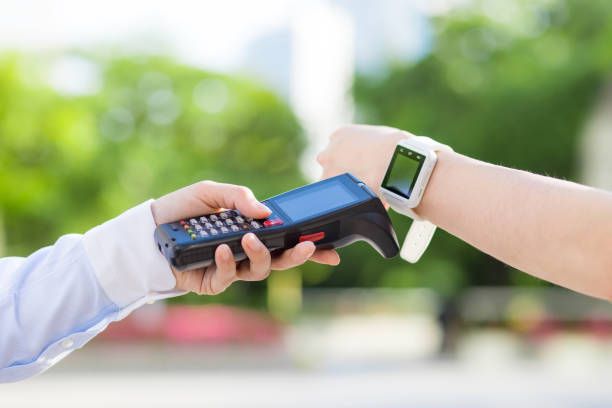
- Total convenience:Pay instantly with your mobile phone or smartwatch.
- Fraud protection:Hides your real data when paying and requires your fingerprint or face to authorize any purchase.
- Immediate control:You can deactivate the card from the app in a moment and see your expenses organized by categories.
The disadvantages
- Less privacy:All your movements and consumption habits are recorded on the provider’s platform.
- Technological dependence:You are tied to the issuer’s rules and that the application works correctly at the time of payment.
- Crypto brake:Many of these traditional wallets do not accept cryptocurrencies directly, forcing you to use traditional fiat money.
Key differences — crypto card vs. prepaid vs. wallet
So that you have no doubts and choose the one that best fits your budget, here is the definitive X-ray of how each card behaves in daily life:
|
Feature |
Crypto Card | Prepaid Card |
Wallet Card |
| Balance | You spend your crypto funds (or use the credit option). | You only spend what you have previously topped up. | You spend directly from your digital wallet. |
| Credit | Available (you can spend before having the money). | Not available (no debt or overdraft risk). | Not available (depends on your account balance). |
| Requirements | May require credit approval or exchange KYC. | No credit history, only registration in the App. | Mandatory linking to a platform account. |
| Risk | Exposure to debt and volatility of your crypto. | Running out of balance at checkout if you forgot to top up. | Technological dependence if the application fails. |
| Privacy | Low (linked to your identity and exchange). | Medium (no traditional banking connection). | Low (movements recorded by the provider). |
| Compatibility | Automatic conversion when paying; ideal for earning cashback. | Conversion to euros when topping up; ideal for budgets. | Integrated with your mobile or smartwatch; no bank needed. |
| Which one is for you? | If you look for rewards and credit history. Ideal for traders, freelancers and digital nomads seeking global liquidity. | If you want total control and privacy without debt. Ideal for managing your budget and paying securely. | If you are already a PayPal or Skrill user and looking for a card linked to your wallet to pay quickly with your mobile. |
How to get a crypto prepaid card in Europe
Forget about endless paperwork or waiting hours in a bank office. The process in Europe is extremely fast and digital. Taking as an example Bitsa, one of the most popular options on the continent, you just have to follow these four steps:
- Download the App:Search for Bitsa in your mobile device’s app store.
- Register:Open the App and create your account in a couple of minutes by following the on-screen instructions securely.
- Top up with cryptocurrencies:Select the top-up option and send your crypto. The balance will be converted to euros instantly.
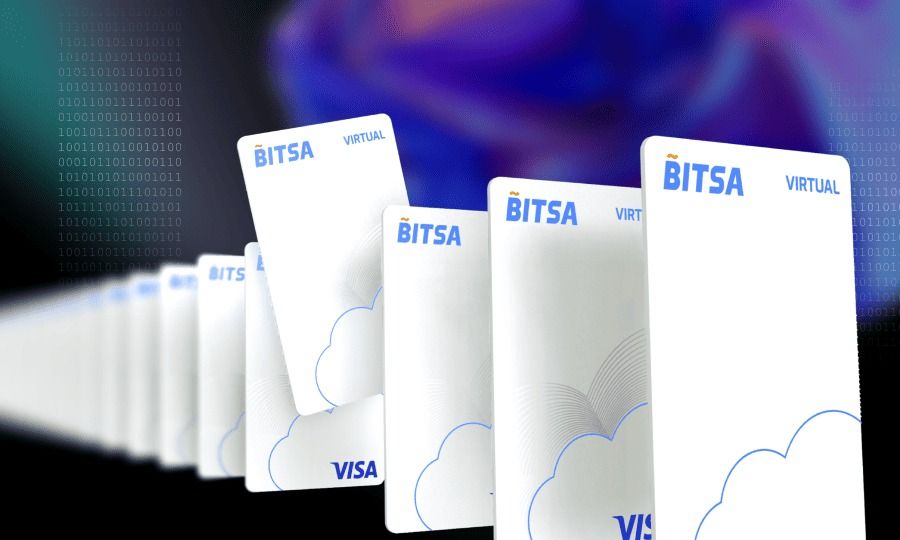
- Start spending:Ready! You already have your VISA cards (virtual or physical) ready to make online purchases, pay in your favorite stores and control every euro from your mobile.
Ready to take the step? Get your Bitsa card: Top up your crypto today, convert it to euros and spend it with total freedom wherever Visa is accepted. It’s that simple!