

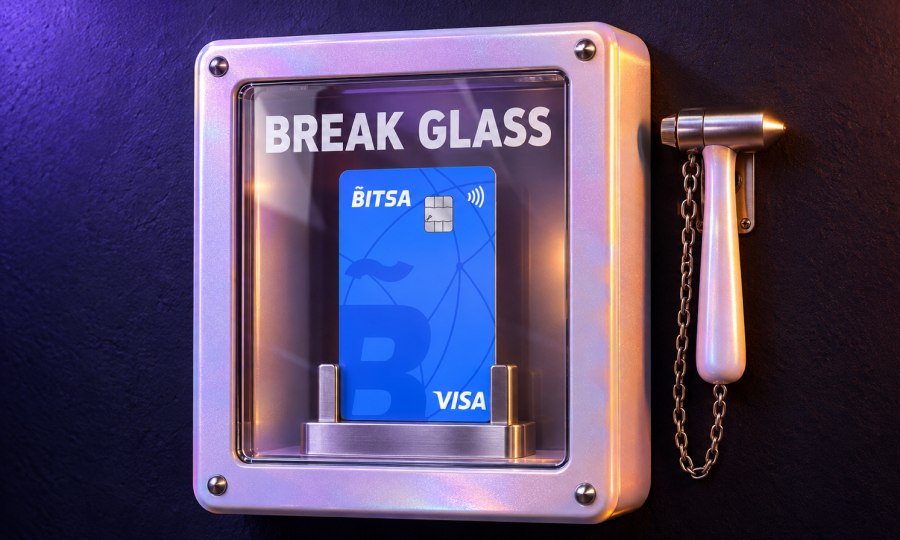
Emergency Fund: How Much Do You Need and Where Should You Keep It?
A car breakdown, an unexpected bill or several days without income can throw your monthly budget off balance in seconds. That is why having an emergency fund is essential. It helps you cover these expenses without taking on debt or wiping out the money you need for the rest of the month.
The questions are how much you actually need and how to keep that money separate so you do not end up spending it on things that are not urgent. Let’s look at how to do it.
What Is an Emergency Fund, and What Is It Not?
First, let’s define an emergency fund. It is money set aside exclusively to cover necessary, unexpected expenses. Its purpose is to give you some financial breathing room when a cost comes up that was not included in your budget.
This could include a major repair, an unusually high bill or a temporary loss of income. These are situations in which you might need to use your fund. However, a holiday, a new phone or a dinner out does not fall into this category. For those expenses, it is better to use savings set aside for specific goals.
That is why it is so important to understand the difference between an emergency fund and savings. Savings can help you achieve many different goals, but an emergency fund has one specific purpose: being available when something goes wrong.

How Much Do You Need? Three to Six Months of Essential Expenses
The general guideline from Finanzas para Todos is to keep an emergency fund equivalent to three to six months of normal expenses. The Bank of Spain also uses this guideline in its financial education materials.
Keep in mind that the exact amount depends on your circumstances. If you have a stable income and few people depending on you financially, three months may be a reasonable starting point. If your income varies, you are self-employed, you have children or your job is less secure, aiming for six months may make more sense.
The goal is not to save three to six months of salary. The guideline is based on the amount you need to cover your essential expenses.
Your situation determines where you should aim within that range. Variable income, self-employment, dependent children and job security can all affect how much of a financial cushion you need.

How to Calculate Your Emergency Fund
Now that you know what an emergency fund is and what it is for, let’s calculate how much you need. The process is straightforward.
1. Add up your monthly essential expenses:
-
- Rent or mortgage payments
- Utilities such as electricity, water, gas and internet
- Basic groceries
- Transport, including public transport, fuel and car insurance
- Required insurance payments and minimum debt repayments
2. Leave out non-essential expenses.Do not include entertainment, restaurant meals, non-essential subscriptions or other expenses you could cut back on during an emergency.
3. Multiply the total by three or six:
-
- × 3 if your income is stable and you have few financial responsibilities.
- × 6 if your income varies, you are self-employed, you have dependants or your job is less secure.
4. Adjust the amount to your circumstances.If you have a mortgage, children, work in a cyclical industry or have a limited support network, you may want to aim for more months of expenses. Example: If your essential expenses total €1,500 per month:
-
- Three months: €1,500 × 3 = €4,500
- Six months: €1,500 × 6 = €9,000
Your target emergency fund would therefore be between €4,500 and €9,000, depending on your circumstances.
How to Build an Emergency Fund from Scratch
If you do not have any savings set aside for emergencies yet, trying to save several thousand euros at once may feel unrealistic. The simplest approach is to break the goal into smaller stages.
Start by saving one month of essential expenses. Once you reach that amount, work towards three months and, if possible, continue until you reach six.
You can also schedule an automatic transfer at the beginning of each month. This makes saving part of your budget before you have a chance to spend the money elsewhere.
For example, if your initial target is €1,500 and you can save €150 each month, you will need around ten months to reach it.
How much you can save depends on your income and expenses. The 50/30/20 rule can be a useful starting point for organising your budget and deciding how much you can put towards savings.

Where Should You Keep Your Emergency Fund?
An emergency fund is different from the money you use for everyday expenses. Before looking for a particular return, there are three characteristics you should prioritise:
- Accessibility: You need to be able to access the money when you genuinely need it.
- Separation: It should be kept apart from the money you use for everyday spending.
- Stability: It should not be exposed to fluctuations that could cause you to lose a significant part of its value just when you need to use it.
That is why using a volatile asset for money intended to cover emergencies does not make sense. We know that crypto can experience significant price fluctuations, so it is not an ideal choice for something that needs to function as a stable emergency fund.
If you want to avoid small expenses gradually eating into your financial cushion without you noticing, keeping your money separate can help. With Bitsa, you can use multiple cards to organise different spending categories. This allows you to separate money for everyday expenses and keep better track of how much you spend in each category.
The idea is simple. Your emergency fund should have its own place within your financial organisation and should not be mixed with the money you use day to day.

When to Use Your Emergency Fund and How to Replenish It
You do not need to wait for a major crisis to use your emergency fund. What matters is that the expense is necessary, unexpected and difficult to cover with your regular budget.
A major car breakdown is an emergency. Buying something you simply want, even if you had not planned to buy it, is not.
If you eventually need to use part of your fund, that does not mean your financial planning has failed. Remember, covering these situations is precisely why you created it.
Afterwards, you need to replenish the money. One option is to temporarily reduce contributions to other savings goals and redirect a larger share of your income towards the emergency fund until you reach your target again.
You should also review your target from time to time. If your rent increases, you have a child or your regular expenses change, the amount needed to cover three months of expenses may no longer be the same as when you first created the fund.
An emergency fund will not make you rich, but it can prevent an unexpected expense from forcing you into debt or derailing your long-term savings and investment plans.
Disclaimer: This content is for informational purposes only and does not constitute financial advice. Adapt the figures and your approach to your individual circumstances.

FAQ
1. How much money should an emergency fund contain?
As a general guideline, aim for three to six months of essential expenses. The right amount depends on your job security, income, family responsibilities and regular expenses.
2. Where is the best place to keep an emergency fund?
It should be somewhere accessible, separate from your everyday money and stable. Its main purpose is to be available when you need it, not to take risks in pursuit of higher returns.
3. Is it a good idea to keep an emergency fund in crypto?
It is not a good idea to treat crypto as a stable emergency fund. Prices can be highly volatile, and you might need the money precisely when its value has fallen.
4. How much money should I save each month?
There is no single amount that works for everyone. It depends on your income, expenses and savings goal. If you are building an emergency fund from scratch, start with a fixed amount you can consistently save each month and increase it when your budget allows.
5. What is the difference between an emergency fund and savings?
Savings can be set aside for goals such as a holiday, a major purchase or a future project. An emergency fund is reserved for necessary, unexpected expenses, so it is best to keep it separate and accessible.