


Learn how to use cryptocurrencies easily in your daily life
You’ve surely heard about Bitcoin, Ethereum, or the rise of digital assets in the news. Perhaps you’ve even been curious enough to buy a small amount, but now you’re faced with the big question: now what do I do with this?
Owning cryptocurrencies doesn’t have to be a purely theoretical concept or just a chart going up and down on your phone. This guide is practical. My goal is for you to understand how to move from theory to action and learn to use your assets for real things, from saving to paying for your everyday expenses in a simple way.
The basics you need to know (without the jargon)
To start, forget about complex formulas. Think of cryptocurrencies as digital money that doesn’t depend on a central entity or bank. You have total control over your funds 24 hours a day.
In 2026, the three best-known options to start are:
- Bitcoin (BTC): the “digital gold.” Ideal as a long-term store of value.
- Ethereum (ETH): a network that allows the execution of applications and smart contracts.
- USDC: a stablecoin. Its value is always equal to $1, making it perfect for avoiding volatility and knowing exactly how much money you have to spend.

The 4 steps to get started
Step 1: Get a wallet
A wallet is where you store your digital keys. To start, you can use mobile options like Trust Wallet or browser extensions like Metamask.
Golden Rule: Write down your “seed phrase” (12–24 words) on a piece of paper and keep it under lock and key. It is your master password; if you lose it, you lose access to your money.
Step 2: Buy your first crypto
You can use regulated platforms to buy with your card or bank transfer. My recommendation for a beginner is to start with a small amount, between €20 and €50, to familiarize yourself with the process without stress.
Step 3: Transfer to your wallet
Once purchased, send them from the exchange to your personal wallet address. It’s as easy as copying an alphanumeric code and hitting send. The process usually takes between 10 and 60 minutes.
Step 4: You can now use crypto!
Once the funds are in your possession, you have the freedom to decide their destination.
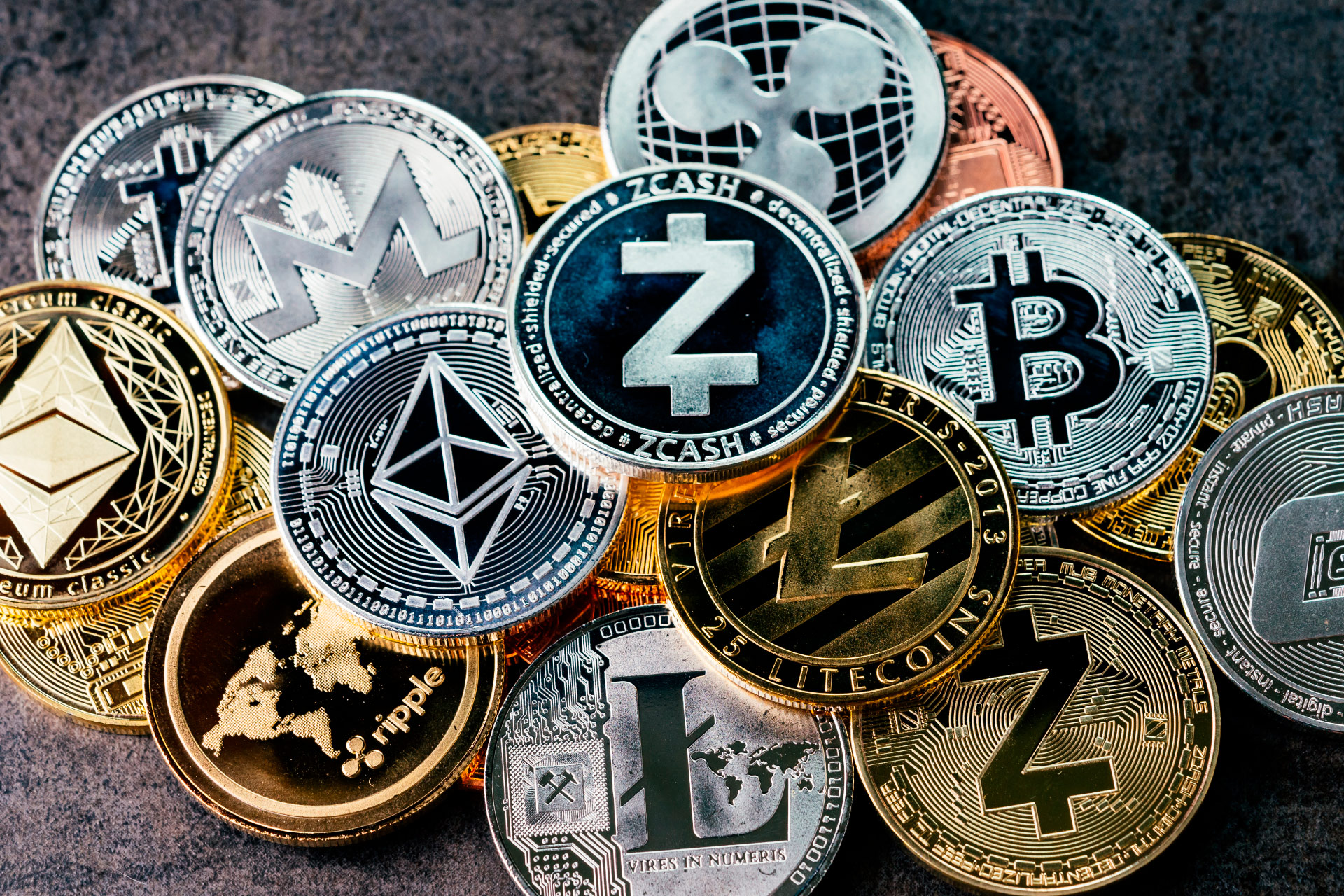
3 ways to use your cryptocurrencies
- As an investment (HODL): You buy and keep them in your secure wallet, waiting for their value to grow over the years. It is a strategy of patience.
- For online shopping: Some digital services accept direct payments, or you can buy gift cards for major retailers.
- Convert to spendable money (Recommended): This is the most practical way. You have Bitcoin, but you need to pay for a coffee at a place that only accepts cards. The solution is a crypto prepaid card.
By using a card like Bitsa, the process is simplified: you transfer your cryptos to the card, they are automatically converted to euros, and you pay at any Visa terminal in the world. It is the fastest way to withdraw money from your assets for daily use.
Daily crypto management for beginners
Don’t put all your eggs in one basket. A balanced distribution to start could be:
- 80%: Traditional money in your bank (fixed expenses).
- 15%: Cryptocurrencies as savings or diversified investment.
- 5%: On your free virtual card, ready to be used for unexpected purchases or treats.
Basic security: Don’t lose your funds
| ✅ DO this | ❌ DON’T do this |
| Write your seed phrase on paper (offline). | Never share your seed phrase with anyone. |
| Enable Two-Factor Authentication (2FA). | Don’t leave large sums on exchanges. |
| Start with very small amounts. | Don’t click on crypto “giveaway” links. |

Common beginner mistakes
- Buying due to hype (FOMO): Don’t invest in something just because “it’s going up.” Understand what you are buying first.
- Not having an exit plan: If you buy to spend, make sure you have tools that provide immediate liquidity, like a prepaid card.
- Losing your keys: In the crypto world, there is no “forgot my password” button. The responsibility is 100% yours.
Legal aspects and FAQ
It is important to remember that while cryptocurrencies offer privacy, in Europe we are under the MiCA regulatory framework. Any profit you make when converting crypto to euros must be declared according to your local tax laws.
Is it hard to use cryptocurrencies?
No more than setting up a Netflix account for the first time. Once you have the right tools, the operation is identical to digital banking.
Do I need a lot of money?
Not at all. You can start with €20 to test how funds are sent and received.