

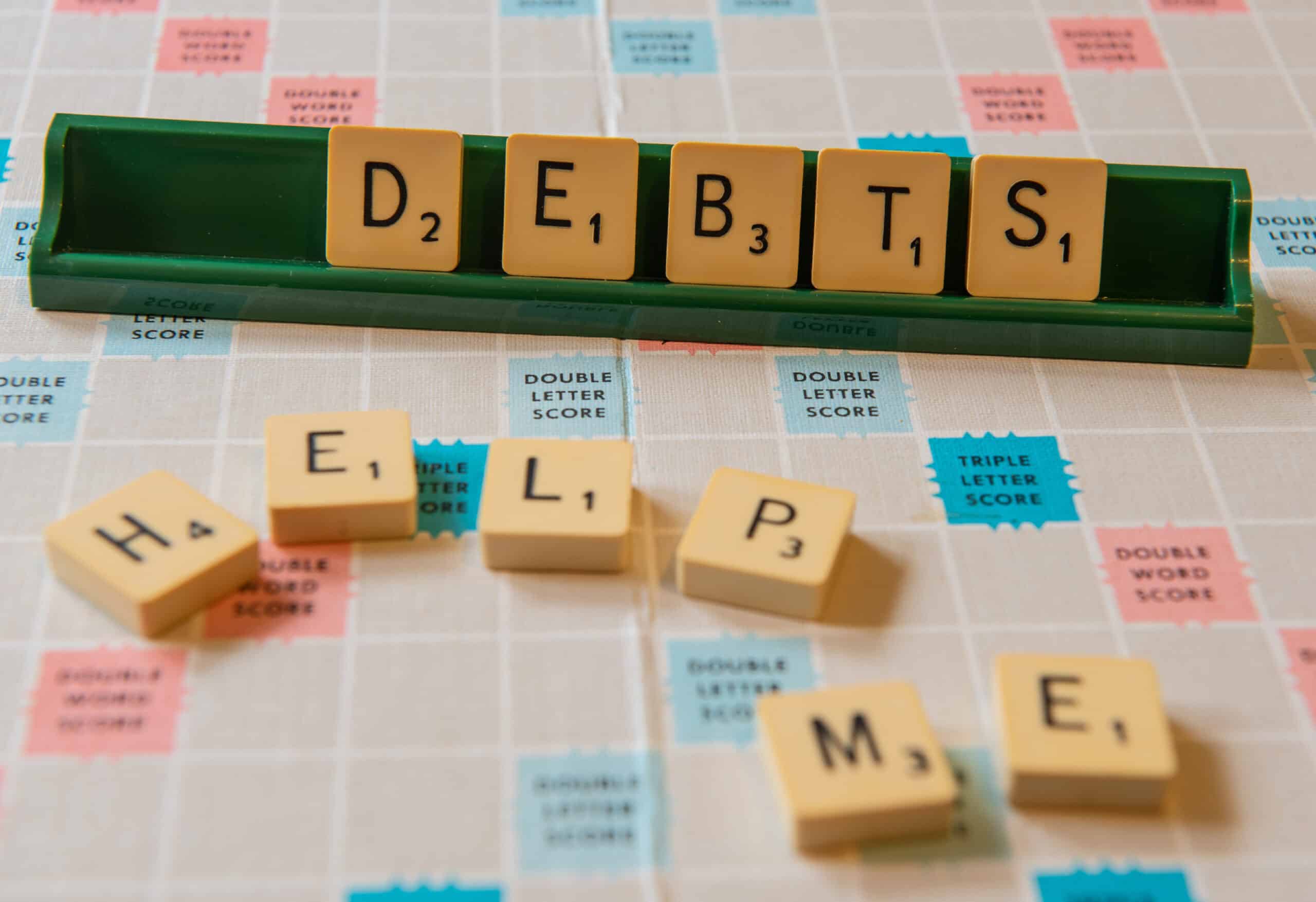
Debt reunification: what is it and how can it help you?
Having several debts open at the same time can make household finances difficult to manage. A revolving credit card, a personal loan, car finance, deferred purchases and a mortgage may seem manageable separately, but together they can absorb too much of your income.
Debt consolidation appears as a way to organise that situation: replacing several payments with one single instalment, lower and easier to control. But there is one key point: paying less each month does not necessarily mean paying less overall. In many cases, the instalment falls because the term is extended, and that means paying interest for longer.
What is debt consolidation?
Debt consolidation consists of combining several loans, credit lines or outstanding debts into one new loan. That new loan is used to cancel the previous debts and leaves one monthly payment, with new terms for the repayment period, interest rate and fees.
The main goal is to gain monthly breathing room. Instead of paying several instalments with different dates, amounts and interest rates, you pay one. This can help avoid missed payments, organise the budget and reduce monthly pressure.
The problem is the total cost. As the European consumer credit framework underlines, credit must be assessed beyond the monthly payment: extending the term can reduce the monthly instalment, but also increase the total amount paid.
Which debts can be consolidated
It depends on the lender and the customer profile, but normally it can include:
- Personal loans, such as credit for home improvements, studies or large purchases.
- Credit cards and revolving credit, which usually carry high interest rates.
- Car finance or consumer finance, including deferred purchases.
- Overdrafts or bank debts, if the lender agrees to include them.
- Mortgage debt, when the operation is structured with mortgage security.
Before approving the consolidation, the lender reviews income, employment stability, payment history, debt level and available guarantees. If a property is involved, its value is also assessed.
Debt consolidation with and without a mortgage
There are two main models.
Debt consolidation with a mortgage
This is the usual option when the person owns a property or has an active mortgage. In this case, the mortgage is extended or a new one is created to cancel the rest of the debts.
The advantage is that the interest rate is usually lower than on a personal loan or revolving credit card. The monthly payment can fall significantly because the term is spread over more years.
The risk is important: consumer debts that were not previously linked to the property become tied to it. If the borrower fails to pay, the problem can directly affect the home.
Debt consolidation without a mortgage
In this case, a new personal loan is taken out to cancel several previous debts. No property is used as collateral, so the patrimonial risk is lower.
The disadvantage is that the interest rate is usually higher and the term shorter. It can make sense if the total amount is not too high or if the goal is to organise payments without putting a property at risk.
How much debt consolidation costs
Debt consolidation can include several costs:
- Opening fee for the new loan.
- Early repayment fees on previous loans.
- Valuation costs, if a property is involved.
- Notary, registry or administration costs in mortgage-backed operations.
- Intermediation fee, if a broker is used.
- Total interest on the new loan.
That is why looking only at the new monthly payment is not enough. The important thing is to compare the APR and the total cost of the operation.
A simple example: if someone pays €800 a month and reduces the payment to €450, they gain monthly room. But if they go from repaying the debt in 5 years to repaying it in 15, they may end up paying much more in interest.

When debt consolidation can make sense
It can make sense when the current sum of instalments is too high and there is a short-term risk of default. It can also help when several expensive debts, such as revolving cards or consumer loans, can be replaced by financing with a lower APR and a manageable instalment.
It can also help when the main problem is lack of order. Many people do not have one huge debt, but several small payments badly distributed. Combining them can make control easier, as long as credit is not used impulsively again afterwards.
The best time to consider it is before entering serious arrears. Once late payments, fees and a weaker credit history appear, consolidation is usually more difficult and more expensive.
When it can be a bad idea
Debt consolidation can be dangerous if it is used to cover up a spending problem without fixing it.
If debts are consolidated, the payment goes down and then the person starts using credit cards, financing purchases or deferring payments again, the result can be worse: the consolidated loan remains, and new debt is added on top.
It can also be a bad idea if the monthly reduction is small but the term becomes too long. In that case, the operation only delays the problem and increases interest.
Special care is needed when consumer debt is included in a mortgage. Financing purchases, holidays or credit cards inside a mortgage may look comfortable because of the lower payment, but it turns expenses already consumed into a long-term obligation.
What to check before signing
Before accepting debt consolidation, calculate:
- How much you owe today in total.
- How much you currently pay each month.
- How much you will pay each month afterwards.
- How much you will pay in total, including interest, fees and costs.
- How many years you add to the term.
- Which guarantees you are putting at risk.
The important question is not only: “will my payment go down?”. The real question is: “is it worth paying more in total in exchange for monthly breathing room?”
The European Banking Authority (EBA) sets criteria for lenders to assess borrowers’ repayment capacity. Even so, the decision should not depend only on the lender. The borrower must check whether the new payment fits their real income and whether they could absorb unexpected events.
Alternatives before consolidating debt
Before combining everything into a new loan, it is worth reviewing other options.
The first is to repay the most expensive debt first. If you have a revolving card with a very high APR and a cheaper personal loan, it may be better to attack the card first.
The second is to negotiate directly with the lender. Sometimes it is possible to extend the term of one specific loan, change the payment date or agree on a temporary payment break without consolidating everything.
The third is to review the budget. If the problem comes from impulse purchases, subscriptions or variable expenses, consolidation does not solve the cause. In that case, a system such as the kakebo method can help because it forces you to record spending and classify consumption decisions.
The fourth is to separate money by purpose. One account for fixed expenses, another for savings and a prepaid card for variable spending can help avoid mixing everything. An online prepaid card for short-term savings can be used to limit the budget for leisure or purchases and prevent discretionary spending from invading money reserved for important payments.
Debt consolidation can be useful when the monthly payment has become unmanageable and there is still repayment capacity. But it is not a magic solution. It can give breathing room, simplify payments and avoid delays, but it usually means paying for longer and, often, paying more overall. The right decision depends on the full cost, the term, the guarantees and whether the change comes with a budget that prevents new debt.
Frequently asked questions
What is debt consolidation?
It is an operation that combines several loans, credit lines or outstanding debts into one new loan. The goal is usually to pay a lower monthly instalment and simplify management.
Does debt consolidation reduce what I owe?
Not necessarily. It usually reduces the monthly payment, but it can increase the total cost if the term is extended too much.
Is it better to consolidate debt with or without a mortgage?
With a mortgage, rates are usually lower and payments smaller, but the property is tied to the operation. Without a mortgage, the patrimonial risk is lower, although the interest rate is usually higher.
What costs does debt consolidation have?
It may include an opening fee, early repayment fees on previous loans, valuation costs, mortgage-related costs and intermediation fees. That is why you should always compare the APR and the total cost.
When does debt consolidation make sense?
It can make sense if the current sum of payments is too high, there is a risk of default and the new operation creates monthly breathing room without worsening the long-term situation.