


Lightning Network in Practice: How Bitcoin Is Being Used for Small Payments in 2026
A few years ago, the idea of paying for a coffee with Bitcoin sounded like a joke. It meant high fees, long waiting times and a network designed more for storing value than spending it. Today, thanks to Lightning Network, we can use Bitcoin to make small payments, and this is already happening every day in several countries.
If you’re wondering what Lightning Network is, it is a payment layer built on Bitcoin that enables almost instant transactions with fees of fractions of a cent. In 2026, the network has gone beyond being a technical experiment. It now handles more than one billion dollars a month in payments and remittances, and is being used by merchants, crypto cards and trading applications.
In this article, we’ll look at why it was created, how a payment works without getting too technical, which wallets work well today and where Lightning is actually being used.
Why Bitcoin Needed a Layer Two
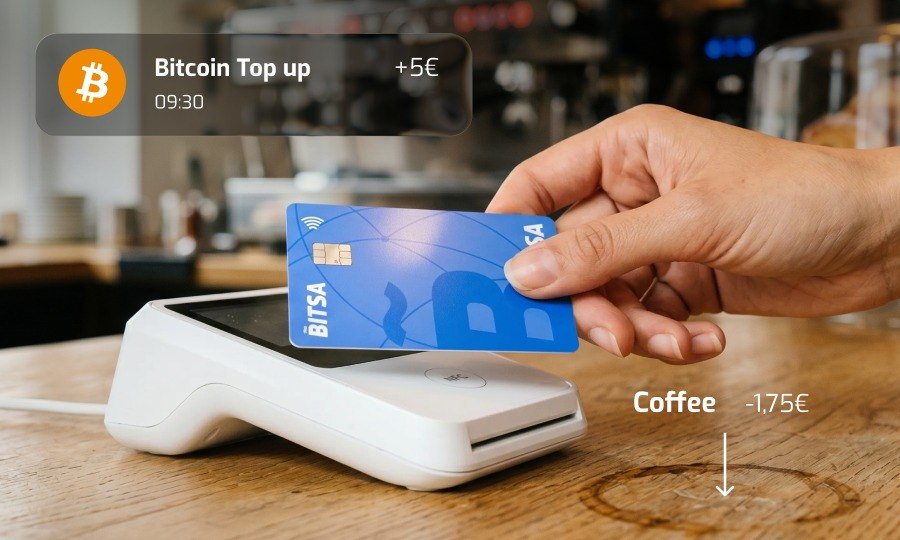
The first thing to keep in mind is that Bitcoin was designed as a secure and decentralized system, but that security came at a cost. The main network is not designed to handle millions of microtransactions per day. Every on-chain transaction takes up space in a block, and that space is limited.
When demand is high, fees increase and confirmation times become longer. For a €2 or €3 payment, using the main chain is simply not practical.
Lightning Network was created as a “layer two” that moves most payments off the main blockchain. Instead of recording every coffee, tip or small transfer on the blockchain, Lightning groups multiple transactions into payment channels and only records the final result when those channels are closed.
And you might be thinking: okay, but what difference does that make? Thanks to this approach, Lightning enables payments in seconds, very low fees and much greater transaction capacity per second than the base network. So yes, Lightning Network represents a major turning point in Bitcoin’s history.

How a Lightning Payment Works Without Getting Technical
To make this explanation easier, think of Lightning as a network of “open accounts” between users and merchants. To get started, you open a payment channel with a liquidity provider (LSP) or through your own wallet. That channel is recorded on the Bitcoin blockchain, but from that point on, you can make multiple payments without using the main chain.
When you pay at a merchant, the following happens:
- The merchant shows you a QR code containing a Lightning invoice.
- You scan the QR code with your wallet.
- Your wallet calculates a route through the existing network of channels.
- The payment moves from node to node in encrypted form and reaches the merchant in less than two seconds.
- The merchant receives the confirmation and you see the payment completed, with a fee of just a fraction of a cent.
You don’t need to have a direct channel with the merchant. Lightning finds a route through existing channels, in a similar way to how data travels across the internet.

A Real-World Example: Paying for a Coffee with Lightning
Imagine you want to pay for a coffee today. To make it more concrete, imagine you’re in a coffee shop that accepts Bitcoin through Lightning.
Your first step should be to open your wallet. At that point, the cashier or whoever is serving you will show you a QR code on the payment terminal. You scan the QR code, confirm the amount (for example, €2.50 worth of satoshis) and press the “pay” button.
Within one or two seconds, the merchant’s terminal marks the payment as completed. Don’t worry about the fees: they are usually less than one cent, depending on the payment size and the liquidity provider you use.
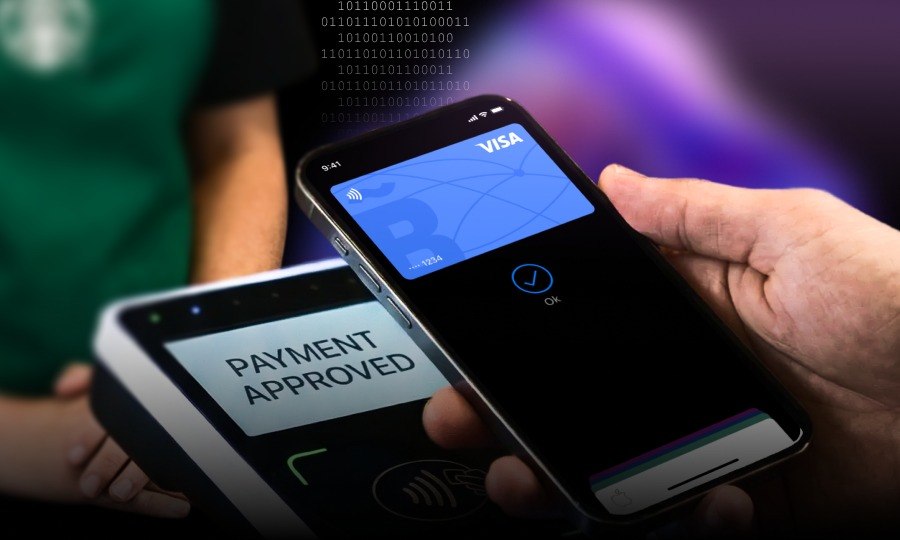
For you as a customer, the experience is very similar to using Apple Pay or Google Pay, but with Bitcoin and without traditional banking intermediaries.
Lightning Wallets That Work Well Today
It is important to keep in mind that to use Lightning, you need a compatible wallet. In 2026, there are both custodial options (where the company manages the keys) and non-custodial options (where you control the keys). Let’s take a look at some of them:
Custodial wallets (easier to get started):
- Wallet of Satoshi: This wallet is very popular among beginners. It allows you to send and receive Lightning payments instantly, without having to manage channels or liquidity. It is ideal for small amounts and for trying out the network.
- Strike / Cash App: In some countries, these services allow users to load Bitcoin and pay with Lightning in a way that is largely seamless for the user.
Non-custodial wallets (more control, more responsibility):
- Phoenix: This mobile wallet manages channels automatically. It combines a good user experience with self-custody. It is widely used for everyday payments in Europe and Latin America.
- Muun: It handles both on-chain and Lightning transactions in a single interface. This makes it very user-friendly for people who don’t want to think about different “layers”.
- Breez and Zeus: These are more technical options, offering greater control over channels, liquidity and configuration. They are ideal if you want to explore this ecosystem in greater depth.
The right wallet depends on your profile. If you prioritize simplicity, a custodial wallet may be enough. If you want full control over your funds, however, a non-custodial wallet is the better option.
Where Lightning Is Actually Being Used
Lightning is no longer just a theory. There are countries and sectors where it is already being used every day. El Salvador is one of them and, at the same time, the most advanced example. Think of El Salvador as the world’s largest real-world Lightning Network laboratory. Since adopting Bitcoin as legal tender in 2021, the network has been integrated into merchants, remittances and public services.
In 2026 alone:
- Approximately 80% of merchants in tourist areas such as El Zonte and parts of San Salvador accept BTC through Lightning.
- The state-run Chivo wallet has been operating alongside community and private alternatives that improve the payment experience.
- Merchant payments are as fast as card payments: scan a QR code, confirm and you’re done, usually within 1–3 seconds (thanks, of course, to Lightning Network).
Although crypto remittances still account for less than 1% of the total, the volume of everyday Lightning payments has grown significantly, with millions of transactions taking place every year.
Merchants and International Events
El Salvador is not the only place where Lightning Network is being used. We can also see its usefulness in:
- Chains and franchises: In several countries, businesses such as Starbucks, McDonald’s and international hotels accept Bitcoin through Lightning, particularly in tourist areas.
- Events and conferences: BTC Inc., the organizer of Bitcoin 2026, integrated Lightning throughout its payment infrastructure, including tickets, in-person points of sale and its online store, using BTCPay Server.
- Trading platforms and prediction markets: Polymarket, for example, enabled instant Bitcoin deposits through Spark, a Lightning-compatible settlement network, allowing users to fund their accounts within seconds.
It is true that in Spain and Europe, adoption among physical merchants is more limited. However, there are bars, coffee shops and stores that accept Lightning, especially in cities with more active crypto communities. For now, the most common option is to use prepaid cards that convert crypto balances into euros when you pay, such as Bitsa.
Limitations and Risks You Should Know
Lightning does solve the problem of small payments, but it is not magic and it has its limitations. Here are some of the main ones you should keep in mind.
- Liquidity and channels: Each channel has a capacity limit, and if you try to make a payment that exceeds the capacity of your channel or the available route, the payment may fail. Modern wallets handle this automatically, but sometimes you may need to add liquidity or rebalance.
- Centralization in practice: A large portion of liquidity is controlled by major nodes and service providers. This improves the user experience but introduces a certain degree of centralization compared with the ideal of a fully distributed network.
- Risk with custodial wallets: Keeping large amounts of money in a custodial wallet means trusting the company and taking on its security and regulatory risks. For significant amounts, it is better to use self-custody or move part of your funds to cold storage.
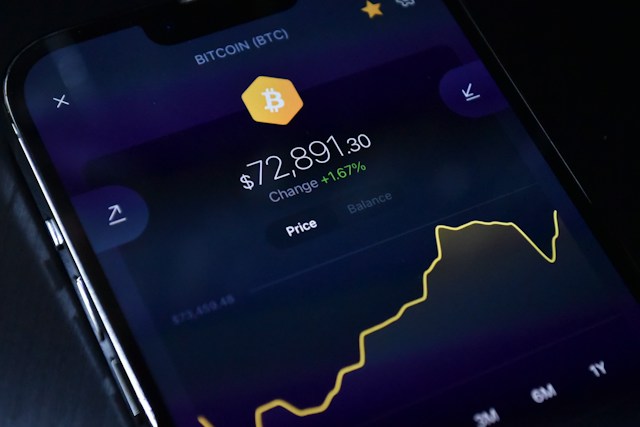
- Bitcoin volatility: Although Lightning makes payments cheap and fast, the euro value of what you send can change quickly. For some use cases, this can be addressed with stablecoins on Lightning, such as USDT, which has been operating on the network since 2026.
Bitcoin in Euros and Lightning: How They Relate
It is important to understand that Lightning does not directly compete with card payments in euros. Instead, it complements the ecosystem. In practice, there are several ways to use Bitcoin in an environment close to the euro:
- Crypto cards with automatic conversion: Some cards allow you to load BTC and convert it into euros at the time of payment. Behind the scenes, they may use Lightning to move the BTC efficiently before converting it.
- Stablecoins on Lightning: Since 2026, USDT and other stablecoins can circulate on Lightning through Taproot Assets, enabling fast payments with stable value, making the experience more similar to using digital euros.
- Exchanges and on/off ramps: Platforms such as Kraken and Bitget allow users to deposit and withdraw BTC through Lightning. This makes it possible to enter and exit the network without high fees or long waiting times.
In Spain, the most practical combination today is to buy BTC (or stablecoins) on an exchange, send it to a Lightning wallet and, if necessary, use a prepaid card such as Bitsa that converts the funds into euros at the point of sale.
Frequently Asked Questions About Lightning Network
Can I buy a coffee with Lightning in Spain? It depends on the merchant. Some bars and coffee shops accept Lightning, but they are still relatively few. The most common option is to load your Lightning balance onto a prepaid card that converts it into euros.
How long does a Lightning payment take? Seconds. In most cases, less than two seconds from scanning the QR code to payment confirmation.
How much does a Lightning transaction cost? Fractions of a cent for most payments. Channel operators charge a small routing fee, but it is usually negligible.
Do I need to know how to code to use Lightning? No. With a custodial wallet such as Wallet of Satoshi, you can use it like any other payment app. With non-custodial wallets, you need to understand what a channel is and how to manage liquidity.
Is Lightning safe? The technology has been tested and in production since 2018. The biggest risk comes from keeping large amounts of money in custodial wallets or poorly managed channels.
Lightning Network is no longer a technical promise: it is a layer used every day in countries where Bitcoin has real-world traction, and it is beginning to appear in some merchants and crypto-card ecosystems in Spain. It does not replace card payments, nor is it trying to, but it changes the type of transactions that Bitcoin can handle.