
Back to School 2026-2027: How Much It Costs and How to Organize Your Budget per Child
It’s already September, and at this time of year, the same question always comes up: how much is this school year going to cost us? This year, the answer is less pleasant than last year’s. The 2026/2027 school year is starting as the most expensive on record in Spain. Children haven’t even gone back to school yet, but families have already spent an average of €505 per child just on getting ready for school, supplies and initial expenses.
Although these figures may seem alarming, they come from recent studies by the OCU, Cetelem and consumer associations, and reflect widespread increases in the cost of books, uniforms, school meals and activities. However, while the average gives us an idea of the overall situation, there are other factors to consider. A family in Madrid, for example, does not spend the same as one in Andalusia, and the budget changes dramatically depending on whether the child attends a public, state-subsidized or private school.
In this article, we’ll analyze these figures, put them into context and, above all, highlight where there is real room to reduce the impact on the household budget without giving up the essentials.
How Much Does Back to School 2026-2027 Cost According to the Data?
Every August, the same routine begins. Families start adding up the cost of books, supplies, clothes and initial expenses and checking how much the bill has increased compared with the previous year. This school year, the figures confirm what many families have already noticed in stores: back to school 2026-2027 is the most expensive on record in Spain.
The OCU conducted a survey of 773 parents with 1,096 children. The result was that the average cost per child before classes begin has already reached €505, while total spending throughout the school year amounts to €2,484 per student. This is the highest figure recorded to date. The increase is 3.9% compared with the previous school year.
Cetelem, in its own study, puts average spending per family at €478, a 12% increase compared with last year (€425 in 2025). The difference between the studies is partly explained by their scope. The OCU includes the entire school year (school meals, extracurricular activities and other activities), while Cetelem focuses more on the initial August shopping.
Differences by Autonomous Community
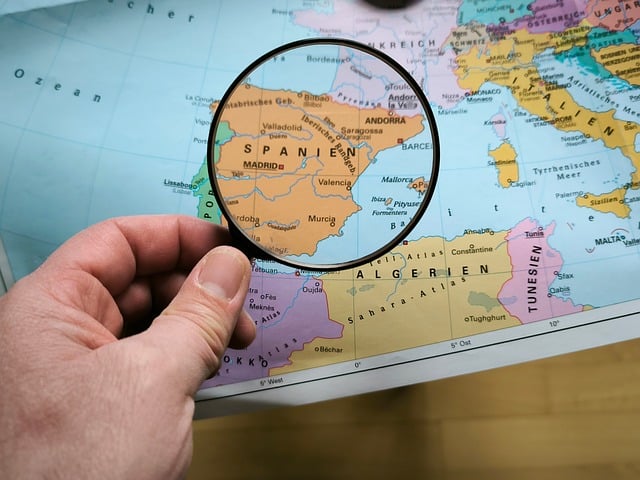
As we mentioned earlier, it’s important to bear in mind that spending can vary depending on the autonomous community and region. Regional differences are very significant. Madrid tops the list, with an estimated €3,512 per student for the full school year. It is followed by Catalonia at €2,994. The Valencian Community and Andalusia are below the average, at €2,190 and €2,007 respectively.
The difference between Madrid and Andalusia exceeds €1,500 per student, which is far above the variation caused by general inflation. You may be wondering why. The factors behind this gap include housing and school meal costs, the cost of extracurricular activities, and the weight of state-subsidized and private education in each community.
In public education, the differences are also significant. Madrid once again tops the list, at €756 per student, compared with €556 in Asturias (€200 less). It is followed by Catalonia (€735), the Basque Country (€720), Cantabria and Navarre (€710), while the lowest bills are found in Galicia (€566), Extremadura (€598) and Castilla-La Mancha (€605).
Differences Between Public, State-Subsidized and Private Schools
When we talk only about “average spending per child”, we can get a misleading picture if we don’t take the type of school into account. A family with two children in public schools does not have the same budget as another with two in private schools, even if they live in the same city and have similar incomes. The choice of school is by far the variable that has the greatest impact on the school bill.
The gap between types of schools completely changes the budget. Families with children in public education expect to spend an average of €1,294 over the full school year. In state-subsidized schools, around €3,450. In private schools, €8,761, almost seven times more than in public schools.
The private-school figure includes tuition fees and reflects the real impact of the educational model chosen by each family. Before comparing general figures, it is important to review this variable because it determines the rest of the expenses. According to an analysis by the Asociación Española de Consumidores, the minimum cost is €635 in public schools, €733 in state-subsidized schools and €1,849 in private schools. Keep in mind that these budgets only include the initial equipment, not the entire school year.
This explains why differences between autonomous communities can sometimes be smaller than differences within the same community, depending on the weight of state-subsidized and private education in each area.
Where Does the Money Go? Breakdown by Expense
School spending is not limited to books and notebooks, nor does it arrive all at once in a single bill. In September, purchases come together that last throughout the school year, such as uniforms or backpacks, alongside others that are repeated every month, such as school meals, transportation or activities. Let’s take a look at how total spending is distributed:
In a public school, the uniform or sports equipment is the largest initial expense, at around €210 on average. This is followed by school supplies (around €130), transportation (€100), school meals (around €95) and other expenses, such as fees or small back-to-school purchases (€100). This estimate does not include books or tuition fees. The reason is that many autonomous communities maintain book-loan or free-book programs. One example is the Xarxa de Llibres in Valencia. Essentially, this is a program run by the Generalitat Valenciana that provides students with free textbooks and curricular materials through a loan and reuse system.
| Typical expense in public schools | Average cost |
|---|---|
| Uniform or sports equipment | €210 |
| School supplies | €130 |
| Transportation | €100 |
| School meals | €95 |
| Other expenses | €100 |
Clearly, all expenses increase in private schools. School meals cost around €190, and additional costs such as tuition fees and books are added. In addition, school trips, travel and activities bring the average to €176 per student. The increase in price does not mean there are more trips than before; transportation, admission fees and the activities themselves have simply become more expensive.
Another aspect to consider in private schools is mandatory clothing (jacket, polo shirt, trousers and specific sports shoes). Together, these can add another €200 per child.
Real Ways to Save
Faced with such a significant increase and prices that already seem excessive, many families have started changing their strategy. It is no longer just about comparing price tags, but about reconsidering what really needs to be bought new and what can be reused or purchased second-hand.
According to the data, this is not an isolated trend. A survey by Milanuncios and Appinio indicates that 56% of Spaniards plan to buy second-hand school supplies this school year. Wallapop estimates the average potential saving from reused products at €193, including backpacks, books, clothing and stationery that is still in good condition. That is not an insignificant amount compared with total spending.
Buying second-hand is not the only way you can save money when going back to school. Here are some other tips that may help:
- Check books and school supplies from the previous school year that are still in good condition before buying anything.
- Compare prices between different stores. Schools cannot force you to buy supplies, books or uniforms from a specific retailer. This practice can be reported.
- Take advantage of programs offering free books provided by several autonomous communities (Andalusia, Castilla-La Mancha, Valencian Community).
- Check the tax deductions available for educational expenses through the personal income tax system in each autonomous community.
How to Separate School Expenses from the Family Budget
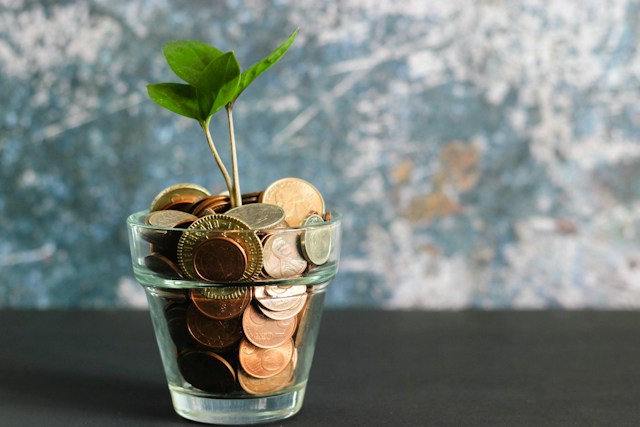
Let’s be realistic. With an initial bill of more than €500 per child and an annual cost approaching €2,500, trying to fit everything into the same monthly budget ends up being more confusing than helpful. School expenses are becoming a separate category that is worth managing independently.
One option used by many families is to load this budget onto a separate prepaid card dedicated solely to school-year expenses. This makes the spending limit clearer. You cannot spend more than you have loaded onto the card, and every transaction is directly associated with school expenses, without mixing them with groceries, electricity or other household costs. At the end of the first term or when September is over, it is much easier to see how much each child has actually cost.
A practical strategy is to have around €500 available per child (since we have the estimates, let’s use them) for the initial purchases and set aside the first month of school meals and any activities that have been booked. For a family with two children, that means setting aside around €1,000 just for the start of the school year, plus recurring payments.
If you’re wondering which card you can use for this, a good option is a Bitsa prepaid card. You can transfer the total amount you have allocated to school expenses, track it in real time and even divide it across several virtual cards to keep the money more segmented. It will only take 3 minutes to create an account, and you’ll already have several problems solved. You can also have a bank account linked to your Bitsa account in case some payments are made by direct debit.

Frequently Asked Questions About Back to School 2026
How much does back to school 2026-2027 cost on average? According to the OCU, €505 per child before classes start and €2,484 throughout the entire school year.
Which autonomous community is the most expensive? Clearly Madrid, with €3,512 per student expected over the full school year. It is followed by Catalonia at €2,994.
Is it legal for a school to force families to buy from a specific store? No. Consumer associations remind us that schools cannot impose the retailer where families must purchase supplies, books or uniforms. This practice can be reported.
Can school expenses be deducted on your tax return? It depends on the autonomous community. Several regions offer regional personal income tax deductions for educational expenses (supplies, books, uniforms and languages). It is advisable to check the specific regulations in each community.
When does the 2026-2027 school year start? It depends on the autonomous community. Classes begin between September 4 and September 15, depending on the official calendar of each region.
Back to school 2026 is the most expensive on record in Spain, but it is also the first year in which more than half of families are planning to buy second-hand and bring their purchases forward to July. The data points to a real change in habits: less impulsive shopping in August and more preparation in advance. It is the logical response when unavoidable expenses rise above available income.