

How to convert crypto to euros and spend it wherever you want
The cryptocurrency ecosystem is vibrant and dynamic. One of the most frequent questions among all types of investors is how to transform those digital assets into real money.
Having cryptocurrencies in a wallet or on an exchange, and watching their value fluctuate, is only part of the game. The real challenge arises when it comes time to pay, and you look for a way to go from “I have crypto” to “I can buy whatever I want.” It’s not an unusual doubt, in fact, the need to make the leap to a fiat currency like the euro is completely natural, whether it’s to lock in profits, cover daily expenses or diversify your portfolio.
Fortunately, closing the gap between the crypto universe and the traditional financial system is easier and more accessible today than ever before. There are different methods to make this conversion, each with its own levels of speed, cost and convenience.

Why convert crypto to euros?
Although the digital environment is advancing rapidly, the day-to-day economy remains largely traditional. The main reasons to make the leap from crypto to fiat include:
- Universal use:The vast majority of physical stores and public services operate exclusively in euros.
- Daily stability:Allows you to set a stable value for everyday purchases, avoiding the volatility and constant price changes of assets like Bitcoin.
- Realizing gains:It is the direct way to lock in profits obtained after a market rise and diversify your portfolio by reducing risks.
- Banking connection:Facilitates access to traditional tools such as current accounts, debit cards or loans.
Key process factors: Costs, timing and taxation
Making this conversion involves selling the asset on the blockchain to receive euros in an account or card at the current exchange rate. In this step, it is worth considering three factors:
- Fees and processing times:Each method applies its own fees and processing times, which can be instantaneous or take several days.
- Tax aspect:In most jurisdictions, converting cryptocurrencies to euros triggers a taxable event if there are capital gains, so it is advisable to monitor local regulations.
- Security:Using platforms with high verification standards is essential to ensure that funds reach their destination without mishaps.
Method 1 — Convert on a crypto exchange
Exchanges are online platforms specialized in the purchase, sale and exchange of digital assets. They represent the most classic way to transform cryptocurrencies into fiat money and send it directly to the traditional banking circuit.
- The process:The user sells their cryptocurrencies on the platform for euros and then requests a transfer (usually SEPA) to their bank account.
|
Advantages |
Disadvantages |
| Price control: Allows you to decide the exact moment of sale or set specific prices. | Waiting times: Bank transfers can take from a few hours to several business days. |
| Variety of assets: They support a huge number of cryptocurrencies and altcoins for conversion. | Operational costs: They may apply fees for the sale operation and for fund withdrawal. |
| Fees: They usually offer the tightest exchange rates on the market. | Bank traceability: Movements are totally visible to the banking entity and tax authorities. |
The use of these platforms requires compliance with strict security regulations, which includes mandatory identity verification (KYC) processes before being able to withdraw funds.
Method 2 — Use a prepaid card with crypto top-up
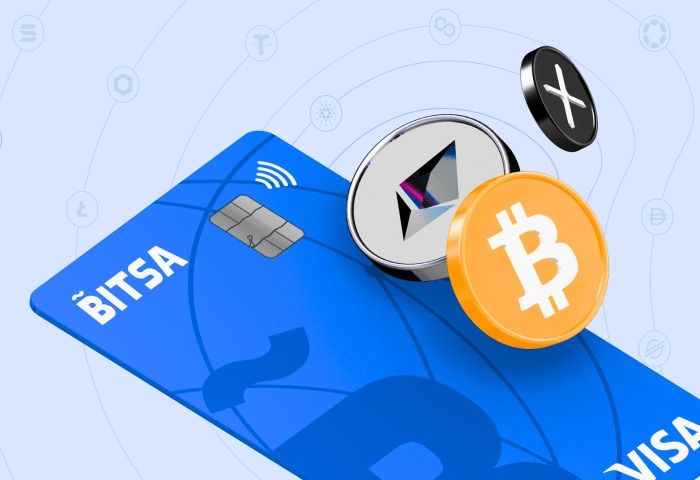
For those seeking maximum agility, prepaid cards with crypto top-up represent the fastest and most direct option on the market. This system completely eliminates traditional banking intermediaries when spending funds.
- The process:The user tops up the card by sending cryptocurrencies from their wallet to the service’s application. At that very instant, the platform automatically converts the assets to euros, leaving the balance ready to be used at any time.
Key advantages of this system
- No bank waiting:Allows you to have the money available without going through the process of selling, requesting a transfer and waiting days for it to reach the bank.
- Immediate and universal availability:Once topped up with euros, it works exactly like any conventional debit card.
- Centralized management in an App:The entire flow is controlled from a single place.
- Spending and volatility control:By converting the digital balance to euros before purchase, the value of the money is frozen, protecting the daily budget from sudden fluctuations in the crypto market.
In this sector, financial solutions like Bitsa stand out, a platform designed specifically to simplify this flow. With Bitsa, you don’t need a linked bank account to operate, just make a top-up in crypto, see the balance reflected in euros within the application and start making everyday purchases with total normality and autonomy.
Method 3 — Crypto ATM (Automated Teller Machine)
For those who prefer to interact with the physical environment and are looking for cash, cryptocurrency ATMs are a direct option. These machines allow you to sell digital assets and receive physical euros instantly, connecting the blockchain with pocket money.
- The process:The user selects the amount of euros they wish to withdraw, the ATM generates a QR code on its screen, and the user sends the cryptocurrencies from their mobile wallet to that address. Once the transaction receives the necessary confirmations on the network, the machine dispenses the cash.
|
Advantages |
Disadvantages |
| Immediate cash | High commissions |
| Useful for small amounts in specific situations. | Reduced geographic availability: They are not found in all cities. |
Which cryptos can you convert to euros?
The short answer is: practically any, although the path varies depending on the asset. The market offers two large groups of cryptocurrencies to make the leap to the European currency:
- Major Cryptocurrencies and Altcoins:High liquidity assets like Bitcoin, Ethereum or Solana. They are accepted directly on almost any exchange, ATM or prepaid card like Bitsa.
- Stablecoins:Assets linked to the value of the dollar or the euro, such as USDT, USDC or EURC. They are the favorite option for many users to freeze the value of their funds on the blockchain before finally withdrawing them into cash or card.

What to consider when converting crypto to euros
Before choosing a method to make the leap from the digital environment to fiat money, evaluating certain key elements will help maximize the value of funds and avoid unpleasant surprises.
- Exchange rate at the time of conversion:It is essential to check the exact conversion rate that the chosen platform applies at the precise moment of the operation.
- Platform fees:It is advisable to compare exchange fees, network commissions and fund withdrawal costs to identify the most economical option.
- Speed of balance availability:The time needed to have the euros available varies drastically.
- Security and reputation:Opting for regulated platforms with a solid history and robust security measures will reduce operational risks.
- Geographic availability and support:Verifying that the service is fully operational in the country of residence and that it has efficient customer service will ensure a hassle-free experience.
To conclude, transforming digital assets into fiat money is today a simple, efficient process within reach of any user if the right method is chosen.
To make the best decision, it is essential to calmly evaluate the key market factors, always remembering the importance of prioritizing security and transparency when choosing the platform to convert your cryptocurrencies.

Enjoying the benefits accumulated in the real world is just a matter of selecting the tool that best fits each investor’s pace of life. Top up your Bitsa with crypto: the euros are ready to spend on the spot.