

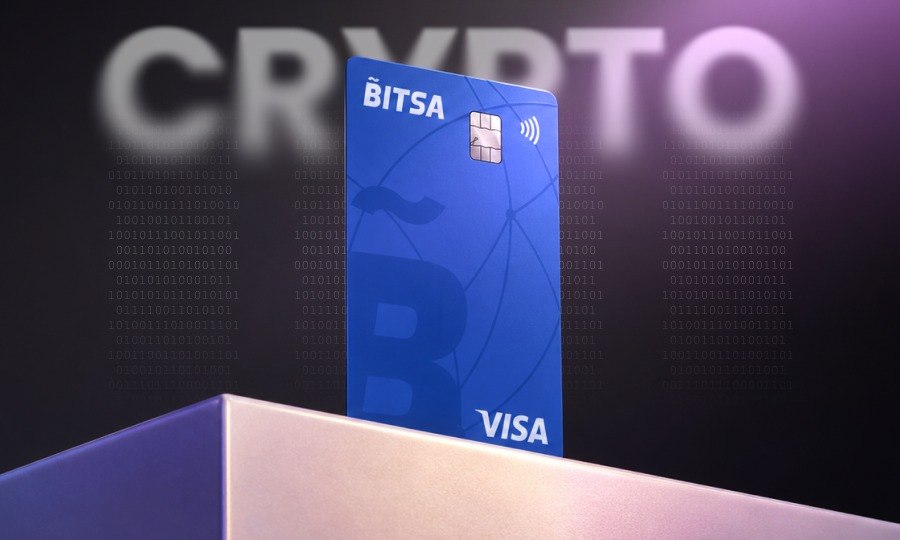
Physical Crypto Card: The Cases Where It Still Beats the Mobile
The term physical crypto card is used simply because it is a real object that can be touched, kept in a wallet, and held in the hand. Unlike its digital or virtual version (which lives only inside the mobile phone or computer in the form of data), the physical card is made of concrete materials like plastic or metal.
Although today’s technology allows us to carry almost everything on our cell phones, the physical card remains that tangible and reliable tool that does not depend on the phone having battery, Internet connection, or good signal to be able to pay at the supermarket or on public transport. It is, in short, the plastic bridge that connects the digital balance with the real world.
What Is a Physical Crypto Card?
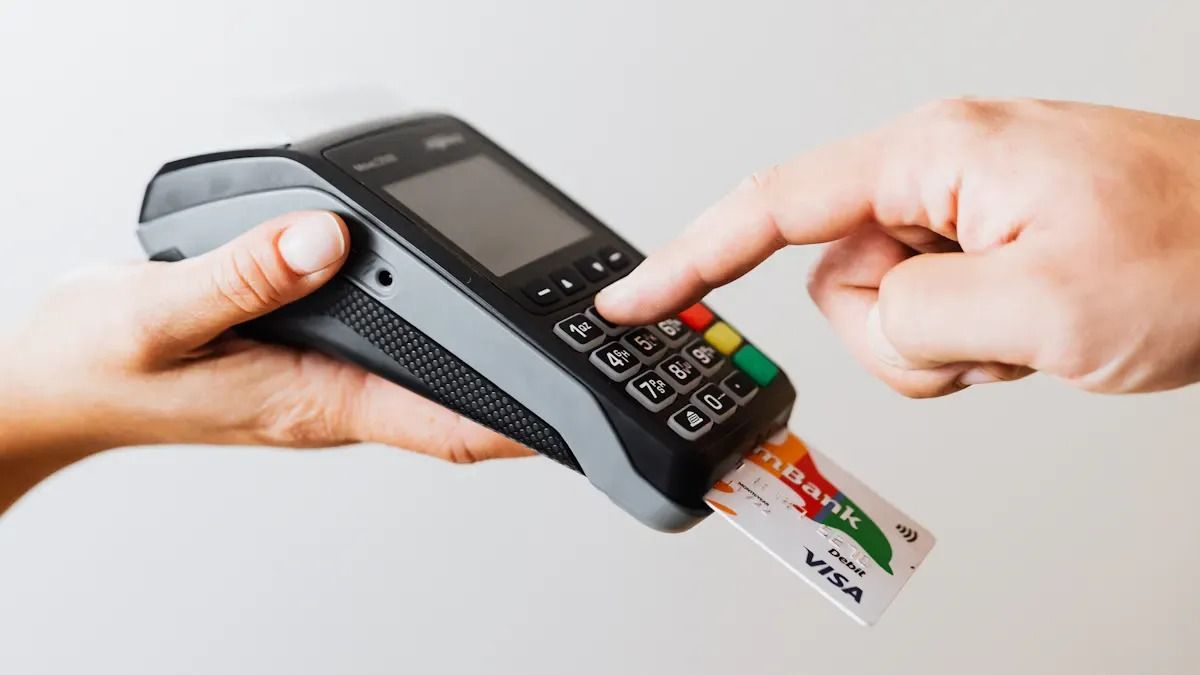
A physical crypto card is a traditional Visa or Mastercard in plastic or metal format that can be loaded with cryptocurrencies and kept in your wallet. It works as a payment instrument that allows you to spend crypto assets both in online stores and in physical stores using any point-of-sale (POS) terminal that accepts these networks, either via chip and PIN or through contactless technology.
Its main advantage is that it is directly linked to a digital cryptocurrency wallet and works without needing a bank account. When making a purchase, the associated application automatically converts the cryptocurrencies to the local currency. This way, the merchant receives the payment in traditional cash without the establishment having to accept crypto assets directly.
In addition to allowing payments in stores without depending on the mobile phone, the physical format is essential for certain operations. For example, on platforms like Bitsa, the physical card is the only method available to withdraw cash from ATMs (selecting the current account option), a function that the purely virtual version cannot perform. To obtain one, the user simply must register on the issuing platform or wallet, accept the terms and conditions, and wait to receive it at their address.
Physical Card vs. Mobile Payment
Nowadays, both methods coexist in the daily financial ecosystem, but their advantages are not the same. Below are their main differences to understand which one to choose according to each situation:
|
Feature |
Mobile Payment |
Physical Card |
| Technical dependence | Requires battery, Internet signal or coverage, and an open application. | Works always, without battery, without Internet, and without depending on a device. |
| Availability while traveling | May present compatibility issues in rural areas or international markets. | It is the most universal and reliable method anywhere in the world. |
| Security | Greater protection thanks to biometrics and tokenization if the device is lost. | Greater risk of cloning or unauthorized use in case of physical loss. |
| Speed and convenience | Ultra-fast process by bringing the phone close, ideal for transport and daily life. | Fast process via contactless or chip, although you must carry it with you. |
| Expense control | Real-time movement registration and integration for immediate financial control. | Tracking depends on platform or bank updates. |
| ATM use | Limited or not available on many networks to withdraw cash with crypto balances. | Allows you to withdraw cash from ATMs without issues. |
When Does Each Payment Method Win?
Although the mobile phone seems to have gained ground in daily life, there are real-world situations where the physical crypto card proves that it remains an irreplaceable tool. From unforeseen technical failures to limitations in commercial infrastructure, the plastic or metal card offers a certainty that digital technology cannot always guarantee.
|
Scenario or situation |
Why does the physical card win? |
When is mobile payment better? |
| Stores and rural areas | It is ideal on older POS terminals that lack NFC or contactless technology. | It is perfect for fast contactless payments in stores in large cities. |
| Cash withdrawals | It is essential for withdrawing money from traditional ATMs. | It is not designed for this function on most ATMs with crypto balance. |
| Gas stations and self-service | Many automated payment pumps only accept magnetic or chip cards. | Its use is usually limited or not allowed at the pump. |
| International travel | Offers total compatibility in countries with limited technological infrastructure. | It may fail due to lack of local agreements or compatible networks. |
| Technical unforeseen events | Works always, even if the phone runs out of battery, loses coverage, or gets damaged. | It is completely disabled if the device turns off or fails. |
| Daily convenience | Requires carrying the wallet or plastic with you for any purchase. | It is ideal when you prefer to go out without a wallet and make online payments from the same phone. |
Do You Need a Physical Card If You Already Have the Virtual One?
It is not strictly mandatory, as both options can coexist and be used depending on the occasion with completely separate balances. The virtual card, like the one offered by Bitsa for free, is ideal for online purchases and integrates perfectly with Apple Pay or Google Pay for everyday payments from the phone.
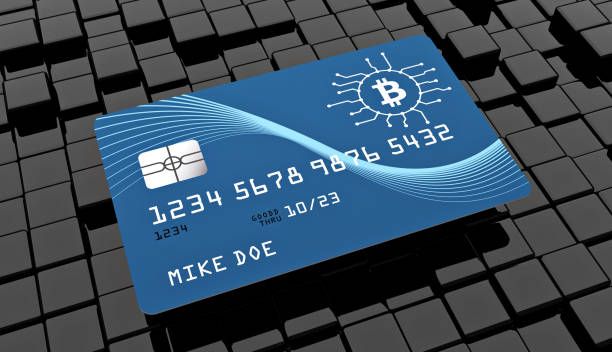
However, the physical card becomes an excellent backup that adds essential functions in the real world. It is the only alternative that allows you to withdraw cash from ATMs and guarantees being able to pay in any traditional store, even in those that do not have terminals with NFC or contactless technology.
In the end, the choice depends on each user’s habits, but having both offers maximum flexibility in any scenario.
How to Get the Bitsa Physical Card
Obtaining it is a very fast and 100% digital process that is done directly from the cell phone. You just need to follow these steps:
- Download the App:Install the official Bitsa application on your mobile device.
- Register:Create an account by completing the required data on the platform.
- Request the card:Go to the cards section within the App, select the physical option, and confirm the request to receive it at your address.
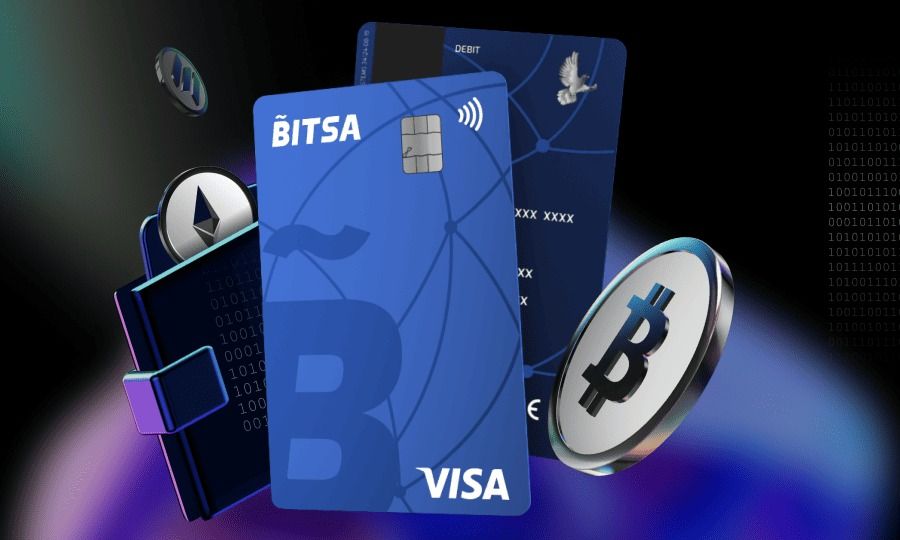
Currently, this service is available for residents of Spain and more than 18 European countries. Once in the user’s hands, this Visa card can be used in millions of physical establishments and online platforms, in addition to enabling the option to withdraw cash from ATMs. Get your physical Bitsa card and pay with crypto anywhere!