


January Financial Squeeze: How to Prepare for It in December
We’re all focused on December, Christmas and New Year’s Eve right now. But once all the celebrations are over, the New Year arrives, and with it, January. December is one of the months with the highest number of extra expenses. Between presents, family meals and Christmas plans, you may start the year with less money than you expected and a few bills still waiting to be paid.
Here’s something you should know from the start: the solution isn’t to wait until January to tighten your belt. Start preparing for the January financial squeeze in December.

What is the January financial squeeze?
If you’re not familiar with the January financial squeeze, it’s the period when making ends meet becomes more difficult after all the extra spending over Christmas. It doesn’t necessarily mean you’re earning less. It means that part of your income is already committed before the year even begins.
Finanzas para Todos explains it clearly: Christmas expenses should be planned in advance to prevent financial commitments from putting too much pressure on your budget in January.
The problem starts when your December purchases pile up alongside rent or mortgage payments, electricity, transport, groceries and your usual monthly bills. If you also have pending card charges or annual payments due, you’ll have even less room to manoeuvre.
The January blues can make the start of the year feel harder, especially when the Christmas celebrations are over and the bills start arriving. The financial side is easier to manage when you prepare in December rather than waiting until January to work out where your money has gone.
A no-spend January can help you reset your spending habits, but it doesn’t mean going without essentials. The aim is to cover your regular commitments, avoid unnecessary purchases and start the year without taking on new debt.

The expenses that pile up in January
Of course, we don’t all have the same expenses, but there are some payments that tend to come around for most households. Let’s look at the most common ones before January arrives:
- Christmas shopping. This includes presents, decorations, clothes, meals and orders that haven’t been charged to your account yet.
- Regular bills. Rent, mortgage payments, electricity, water, phone, internet and transport. These expenses don’t disappear just because you’ve spent more in December.
- Annual or recurring payments. Insurance premiums, membership fees, renewals and inspections that happen to fall in January. There can be quite a few.
- Getting back into your usual routine. Everyday expenses such as weekly groceries, commuting to work and other commitments that resume after the holidays.
- January sales. If you’ve been waiting to buy something, the sales might seem like the perfect opportunity. But they can also tempt you to spend money you’ve already set aside for other things.
Don’t assume that all prices go up in January or that every bill arrives that month. Check your invoices, renewal dates and expected charges to understand what actually applies to you and how much you can afford to spend in December.
How much can it affect your budget?
To understand how quickly your available money can disappear, imagine you earn €1,500 a month after tax and your usual expenses come to around €1,100. Under normal circumstances, you’d have €400 left to save, spend on something extra or use for unexpected costs.
Now let’s add €250 in Christmas purchases that will be charged in January and another €100 for an annual insurance payment due that month. Your budget would look like this:
| Item | Amount |
|---|---|
| Monthly income | €1,500 |
| Regular expenses | −€1,100 |
| December purchases charged in January | −€250 |
| Annual insurance payment | −€100 |
| Money left over | €50 |
This example shows how just two extra expenses can reduce the money you have available from €400 to €50. It’s not a forecast for every household, but it shows how several payments that seem relatively small can leave you with very little room in your budget.
Your personal circumstances matter too. If you plan ahead and review your expenses, you’ll be better prepared to deal with this period. The key is to calculate how much money you actually have available before committing to extra spending, rather than assuming everything will work itself out.
How to prepare for January in December
You can get started in just a few minutes. You don’t need a complicated spreadsheet. A simple list of expenses and a few clear spending limits are enough to start organising your money before the holidays.
- Make a list of your regular and annual paymentsStart by checking your bills, direct debits and renewals due in January. Write down how much you need to pay and when each payment is due. If an annual expense comes around every year, include it in your yearly budget so you can plan for it next time.
- Set a Christmas spending limitDecide how much you can spend on presents, meals and celebrations without touching the money you need for your regular commitments. Make a list before you start shopping and work with the money you actually have available, not the amount you hope to have later.If your limit is €200, for example, divide that amount between presents and other plans. Once you’ve spent it, look for free or cheaper alternatives instead of dipping into money you’ve already set aside for January.
- Set aside your January budget before buying presentsCalculate how much you need for rent, utilities, groceries, transport and any extra payments. Put that money aside before you start your Christmas shopping.If you get paid at the end of the month, check how much money you’ll have available when the first January bills arrive. Be careful not to count the same money twice or treat income you haven’t received yet as available cash.
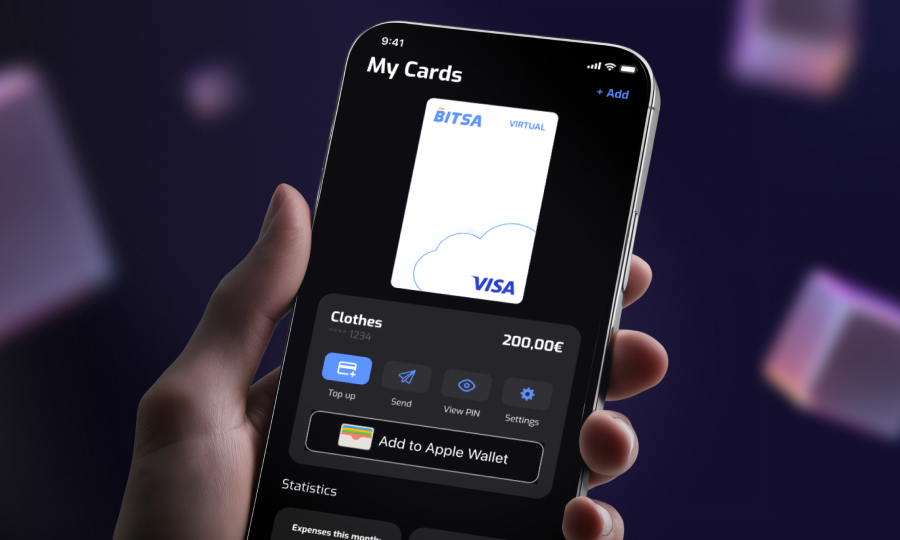
- Review your subscriptions and separate your budgetsCheck which services you actually use and cancel the ones you no longer need. A small subscription might not seem like much, but several of them can add up to money you could put towards more important expenses.You can also keep your Christmas budget separate from the money you need to start the year. With Bitsa, you can use different cards to organise these budgets. Use one for Christmas shopping and another for your January expenses. This makes it easier to keep track of which money you’re spending.
Bitsa offers three plans with different numbers of cards:
- Free includes one physical card and one virtual card.
- Move includes two physical cards and three virtual cards.
- Pro includes four physical cards and four virtual cards.
You can also use the Kakebo method to keep track of all your spending categories. The idea is simple: record how much money you earn, how much you spend and how much you manage to save. This helps you make decisions based on real figures rather than guesswork.
What if January is already putting pressure on your budget?
If you’re reading this after January has already started and you don’t have enough money for everything, the first thing to do is work out how much you have available and which payments you can’t postpone. Prioritise housing, utilities, food, essential transport and other necessary commitments. Check payment deadlines and contact the relevant provider if you know you won’t be able to pay on time.
There are some expenses you can put off, such as non-essential purchases. Try to avoid financing everyday expenses with new debt. If you pay for something today with borrowed money, the expense doesn’t disappear. You’re simply moving it to another month when you’ll still have bills to pay.
When you can, start building an emergency fund. You don’t need to save a huge amount straight away. Start by putting aside a small sum each month and increase it whenever your budget allows.
It’s also worth looking at whether you tend to spend everything you earn simply because the money is available. If you want to understand this habit and set limits before paying, take a look at Parkinson’s Law applied to money.
January doesn’t have to become a problem that follows you throughout the year. Start by deciding which expenses you can avoid today without compromising what you’ll need tomorrow. The January financial squeeze isn’t solved on 1 January. It’s managed through the decisions you make in December.

FAQ
- What is a no-spend January?
A no-spend January is a month-long challenge to avoid non-essential purchases while continuing to pay for necessities and regular commitments. The aim is to reduce discretionary spending and regain control of your budget after Christmas.
- Why is January one of the hardest months for your budget?
Because many households reach January with less money available after the holidays, while still having to pay rent or mortgage payments, utilities, groceries and other regular expenses.
- How can you prepare for the January financial squeeze?
Make a list of your expected payments, set a Christmas spending limit, put money aside for essential January expenses and review any subscriptions you no longer use.
- How much money should you set aside for January?
It depends on your income and expenses. Add up your regular bills and any extra payments expected in January, subtract the income you’ll receive and set aside enough to cover your commitments. If possible, leave some extra room for unexpected expenses.
- Which expenses can you cut back on in January?
You can start with impulse purchases and non-essential spending. However, avoid cutting back on essentials such as food, housing, healthcare or necessary transport.