


Compulsive Shopping: Why You Buy More Than You Need on Black Friday
The most typical Black Friday scenario: you go online to check out a product you’ve been thinking about buying for weeks. It’s on sale, so you add it to your basket. Then you see that only a few are left and the offer ends in ten minutes. If you spend a little more, shipping is free. Before you know it, you’ve bought four things when you only went looking for one.
Sound familiar? On Black Friday, it’s easy to spend more than you intended. And it’s not always because you lack self-control. Many promotions are designed to speed up your decision-making and get you to buy before you stop to think about whether you actually need something.
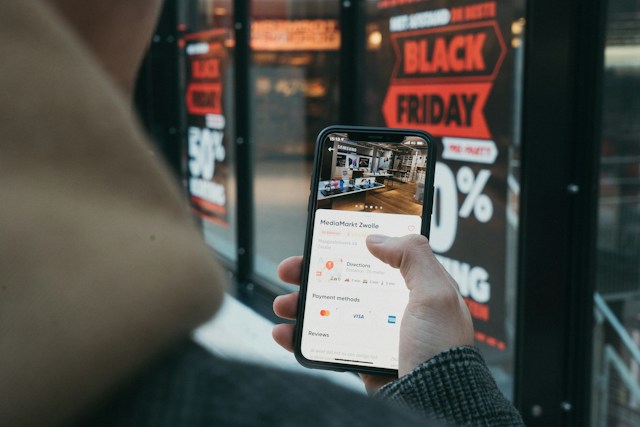
Impulse buying and compulsive shopping are not the same thing
To understand what’s going on, let’s first look at the difference between impulse buying and compulsive shopping, because it’s not always your fault.
An impulse purchase is something you buy without giving it much thought or planning. You see something you like, get excited and buy it. It can happen to anyone and doesn’t mean you have a problem.
Compulsive shopping is different. It’s not a one-off purchase. It’s a recurring pattern that can leave you feeling bad and lead to financial difficulties or personal problems involving other people. Shopping becomes difficult to control, even when you regret your purchases afterwards or know you didn’t need them.
In 2021, the Spanish Congress of Deputies considered a non-legislative proposal concerning compulsive buying disorder. The document discussed the possibility of a link between this disorder, over-indebtedness and psychological distress. It also called for further study of the issue and better consumer education about marketing techniques. The proposal was approved with amendments in November of that year.
You don’t need to label yourself because you bought too much once. The important thing is to understand the difference. If it keeps happening or you feel unable to stop, it’s worth taking the situation seriously.

The tactics that push you to buy
During Black Friday, we might think we’re mentally prepared for everything we’ll come across. But promotions aren’t always just about lowering prices. They also play on how you perceive time, available stock and the amount you think you’re saving. Here are some common marketing tactics you might encounter:
- Countdown timers and “last items available” messages. You see a timer showing that an offer is about to expire, or a message saying “only two left”. This makes you feel that if you don’t buy now, you’ll miss out. The problem is that this sense of urgency isn’t always real.
- The crossed-out price. You see a product that supposedly cost €200 and is now €99. Even if you weren’t interested in it before, suddenly you feel you need to buy it because the discount makes it look like a great deal. This is closely related to the anchoring bias. The first price you see becomes your reference point and influences how you judge the new price.
- Free shipping above a certain amount. Your basket comes to €42 and shipping costs €5, so you probably think it’s better to add something worth €10 to qualify for free delivery. But you’re actually spending €52 instead of €47. Suddenly, shipping becomes an excuse to buy one more thing.
- One-click payments. The fewer steps between choosing a product and paying for it, the less time you have to think. We all love convenience. You don’t have to get your wallet, enter your details or review your order as carefully, so you end up paying without giving it much thought.

Why one purchase leads to another
Sometimes we don’t buy four things because we need all four. We buy the first one and, somehow, the next purchases start to seem reasonable too.
Think about it: you buy a new coat and then feel you need matching shoes, a different bag or even clothes that fit the same style. That’s the trap of the Diderot effect. One purchase can trigger several others because you want everything new to match.
Then there’s the classic “while I’m at it” mindset. You’ve already spent time browsing, added several things to your basket and you’re just about to pay. Adding one more item doesn’t seem like much. But when you justify each extra purchase separately, you lose sight of how much you’re spending altogether.
And then there’s what happens after you’ve bought something. Maybe you’ve paid for a subscription or a product you’re not using. Instead of cancelling it or accepting that it wasn’t useful, you keep paying because you’ve already spent money on it. This has a name too: the sunk cost fallacy. Basically, we find it hard to walk away from something when we feel that doing so would mean losing the money we’ve already spent.
How to stop yourself before paying
You don’t need to ban yourself from buying anything. In fact, that could have the opposite effect. What helps is creating a little distance between the moment you see something and the moment you pay for it. That gives you time to think about whether you really need it. Here are a few steps to help you stop before you hit the pay button.
- Make a list before visiting any website. Write down what you need and how much you’re willing to spend. That way, when unexpected offers pop up, you’ll have a clear reference point to come back to.
- Leave anything that wasn’t on your list in your basket for 24 hours. If you still think you need it tomorrow and it fits your budget, you can make a more considered decision. If you forget about it, chances are it wasn’t that important.
- Remove your saved payment details. Having to enter them again gives you a little more time to ask yourself: “Do I really want to buy this?” It’s not a magic solution, but it can interrupt the automatic urge to pay.
- Set a spending limit and keep that money separate from the rest of your budget. Decide how much you’ll spend on Black Friday without touching the money you need for rent, bills, food or savings. You can set that budget aside separately or use a prepaid card loaded with just that amount. Once the money is gone, you stop shopping instead of using money that already has another purpose.
When to ask for help
Now that you have a better idea of when overspending can become a problem, let’s look at some warning signs that should prompt you to seek help:
- You accumulate debt or struggle to cover your everyday expenses because of your shopping.
- You shop to cope with emotions. The problem is that guilt and anxiety often follow.
- You hide purchases or lie about how much you’ve spent.
- You promise yourself you’ll stop shopping but can’t stick to it.
- Your purchases or spending start causing conflicts with your partner, family or people close to you.
If several of these situations sound familiar and you’re feeling distressed, you don’t have to deal with it alone or feel ashamed. The right step is to speak to a healthcare professional who can assess what’s happening.
And if you’ve just made an impulse purchase and regret it, don’t beat yourself up. Check whether you can cancel the order or return the item. In most cases, you have 14 calendar days from receiving a product to exercise your right to withdraw from an online purchase.
You don’t have to take advantage of every offer you come across. Just because something is on sale doesn’t mean it needs to end up in your home. Shop wisely.
FAQ
- What’s the difference between impulse buying and compulsive shopping?
Impulse buying is usually a one-off, poorly planned decision. Compulsive shopping is a repeated pattern that’s difficult to control and can cause emotional distress or financial problems.
- Why do I buy more than I need on Black Friday?
Promotions can create a sense of urgency through countdown timers, low-stock messages and eye-catching discounts. They can also make you focus on how much you think you’re saving rather than how much you’re actually spending.
- How can I stop impulse buying online?
Start by making a shopping list and setting a budget before visiting a website. Leave unplanned purchases in your basket for 24 hours, remove your saved payment details and check the total before confirming your order.
- Is compulsive shopping a disorder?
Compulsive shopping can describe a problematic pattern of buying, but it cannot be identified based on a single purchase or behaviour. If you shop repeatedly, feel that you’re losing control and this is causing problems in your life, speak to a healthcare professional who can assess your situation.
- What should I do if I’ve made an impulse purchase and regret it?
First, check whether you can cancel the order. If you’ve already received the item and bought it online from a business, you can generally exercise your right to withdraw within 14 calendar days, although some exceptions apply. Don’t wait too long to act.